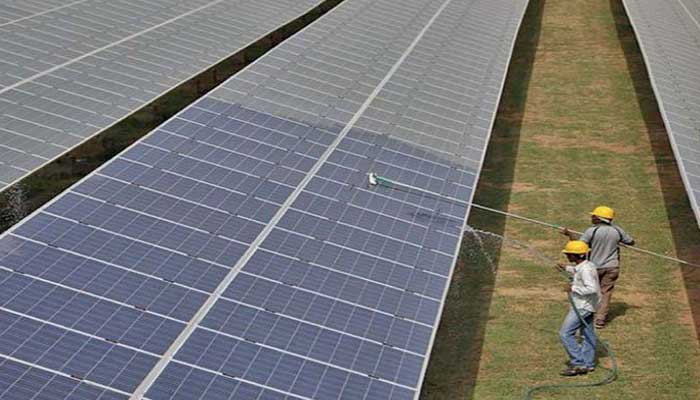
Allegations of massive irregularities have surfaced in the Sindh Solar Energy Project (SSEP), the flagship initiative of the Pakistan Peoples Party (PPP), which was launched with World Bank funding of Rs28 billion. Documents suggest that the Sindh government contracted with a foreign company at $151 per solar kit, despite import records showing their actual value was under $50 per unit.
The first phase of the project aimed to provide 200,000 solar home systems to low-income households, with each unit including a solar panel, battery, LED bulbs, and a DC fan. However, evidence indicates that while documents showed imported solar DC fans, the fans distributed were actually manufactured in Pakistan, raising questions about fake import records and claims of fraudulent duties and taxes worth millions of rupees.
Read more : Sindh solar energy project launched in Shikarpur
Adding to the controversy, import invoices revealed that 20,808 solar kits were shipped to Pakistan at just $23.4 per unit, far below the quoted $112 and the contracted $151. This significant price gap suggests that the amount borrowed from the World Bank was far higher than the actual cost of the equipment, creating suspicions of inflated pricing and misappropriation of funds.
Investigations further uncovered that the Sindh government allegedly used duplicate bills of entry to falsely claim import duties on fans that were never imported. This maneuver reportedly allowed claims of over Rs127 million in customs duties, despite clear evidence that the distributed fans were produced locally and not imported from China as claimed in official records.
The revelations have drawn scrutiny from parliamentary committees and investigative journalists, who argue that the cost differences and fake import claims may have caused losses worth billions. The Sindh government, however, has denied irregularities, promising to share all relevant documents while insisting the project is being monitored by the World Bank. Yet, with an alleged Rs5.6 billion gap in solar kit pricing and over Rs1 billion in questionable fan imports, doubts over transparency and accountability in the province’s flagship solar project continue to deepen.