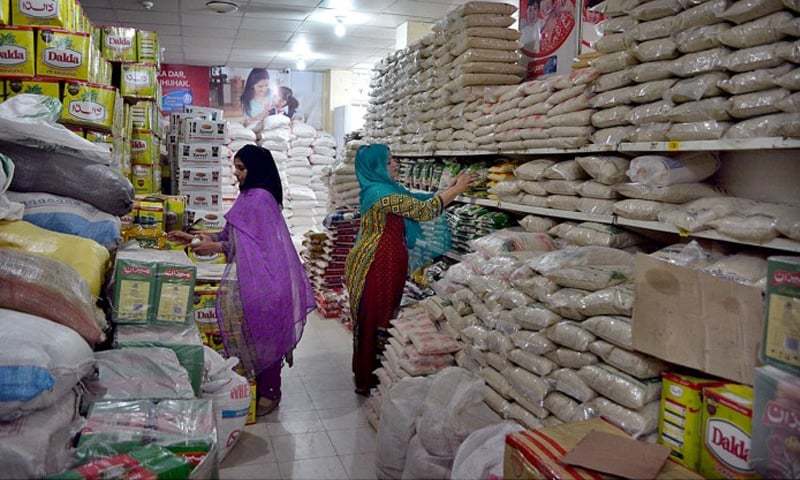
Pakistan’s food import bill soared to an all-time high of $8.14 billion in the fiscal year 2024-25, marking a 3% increase from the previous year’s $7.90 billion. The surge was mainly driven by higher imports of palm oil, soybean oil, pulses, and dried fruits, according to official data. This rising import dependency comes despite global price drops in edible oils, highlighting the growing local demand and potential inefficiencies in pricing.
Palm oil imports jumped to 3.213 million tonnes, valued at $3.4 billion, breaking the previous record of $2.66 billion set in 2020-21. The average price per tonne also increased significantly from $927 last year to $1,056 this year. Meanwhile, soybean oil imports reached 321,107 tonnes worth $344 million, up from 119,845 tonnes worth $129 million a year earlier. However, its average per-tonne price dropped slightly from $1,081 to $1,070.
Despite declining international prices, domestic cooking oil remains costly. Branded cooking oil now sells for Rs2,800–3,000 per five-litre pack and Rs550–580 per one-kg pouch. This gap between international and local prices has raised concerns within government circles. During an Economic Coordination Committee meeting, the finance minister criticized the 29% profit margin, calling for better oversight and pricing transparency.
On the other hand, industry representatives deny allegations of price manipulation. The Pakistan Vanaspati Manufacturers Association chairman stated that retail prices reflect global trends and supply chain factors. He also highlighted increasing demand due to population growth, suggesting that local consumption patterns are playing a major role in the rise of imports.
In addition to edible oils, pulses imports rose sharply to 1.464 million tonnes worth $1 billion, compared to 1.166 million tonnes worth $774 million in the previous year. While prices for lentils and moong beans varied locally, gram production dropped by 16.6%, adding further pressure on imports. The growing demand for essential food items continues to stretch the country’s trade balance.
Moreover, dried fruits and nuts imports also climbed, reaching 165,790 tonnes worth $143 million, up from 102,566 tonnes worth $71 million last year. These figures highlight a concerning trend of increased reliance on food imports, prompting calls for stronger domestic agricultural policies and better price monitoring to ensure food affordability for the general public.