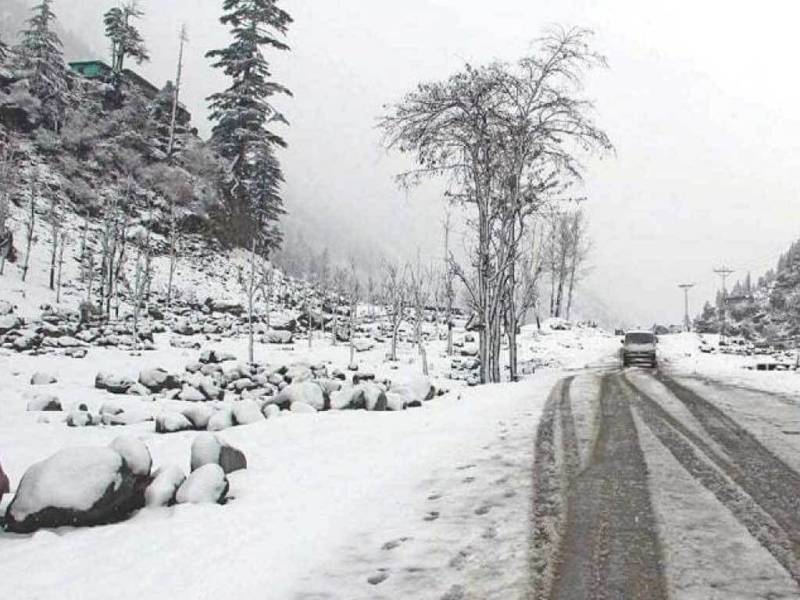
The Pakistan Meteorological Department (PMD) has firmly denied widespread social media claims suggesting that the country will face an unusually harsh or record-breaking winter this year. In a statement issued on Friday, the department clarified that such reports are unscientific and misleading, urging the public to rely only on verified forecasts issued by official meteorological authorities.
Read more : /pakistan-faces-coldest-winter-in-decades-ahead/
According to the PMD, the official winter outlook for December 2024 to February 2025 indicates that temperatures across most parts of Pakistan will remain slightly above normal. Rainfall is expected to be normal or slightly below average, based on assessments made using global climate models and verified data from the World Meteorological Organization (WMO). This projection contradicts rumors of an upcoming extreme cold spell circulating online.
However, the department acknowledged that short-lived cold spells may still occur in some regions due to western disturbances passing through the country. These temporary events, PMD stated, should not be mistaken for an overall severe winter pattern. There is currently no scientific evidence supporting predictions of nationwide freezing temperatures or prolonged cold conditions this season.
The PMD further explained that climatological analyses show a weak to moderate La Niña phenomenon persisting over the equatorial Pacific Ocean. Historically, La Niña conditions have been associated with reduced winter activity across South and Southwest Asia, including Pakistan. This typically leads to fewer and weaker weather systems during the cold months.
Read more : Britain Unprepared for Extreme Heat, Climate Experts Urgently Warn
As a result, the country is likely to witness lower snowfall and rainfall in northern and western mountainous regions, while plains are expected to experience relatively mild temperatures. The department assured citizens that it continues to monitor evolving weather patterns closely and will issue timely updates if any major change is observed in the coming weeks.