• Skip to primary navigation
  • Skip to main content
  • Skip to primary sidebar
  • Skip to footer
Trending:
  • Kashmir
  • Elections
Monday, July 27, 2026

Daily Times

Your right to know

  • HOME
  • Latest
  • Iran-Israel war
  • Pakistan
    • Balochistan
    • Gilgit Baltistan
    • Khyber Pakhtunkhwa
    • Punjab
    • Sindh
  • World
  • Editorials & Opinions
    • Editorials
    • Op-Eds
    • Commentary / Insight
    • Perspectives
    • Cartoons
    • Letters to the Editor
    • Featured
    • Blogs
      • Pakistan
      • World
      • Lifestyle
      • Culture
      • Sports
  • Business
  • Sports
  • FIFA World Cup
  • E-PAPER
    • Lahore
    • Islamabad
    • Karachi

Why Pakistan cannot depend on IMF support indefinitely

Published on: December 22, 2025 10:29 AM

IMF Reforms Can Boost Pakistan’s Growth

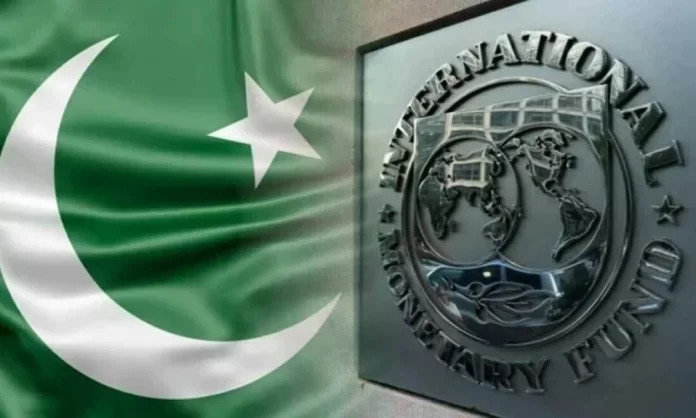
Pakistan repeated reliance on the International Monetary Fund has reignited debate over the country’s long-term economic direction, with analysts warning that stabilisation programmes alone cannot deliver sustainable growth. While IMF support has helped avert financial crises, critics argue that continued dependence reflects deeper structural and policy failures.

Economists note that IMF programmes are designed to restore short-term macroeconomic stability through fiscal discipline, higher revenues and reduced deficits. These measures often involve higher taxes, costlier utilities and spending cuts, which disproportionately affect working families and dampen domestic investment. Pakistan is currently in the second year of a $7 billion, 37-month Extended Fund Facility, its 24th IMF programme.

Analysts caution that blaming the IMF alone is misplaced, as the Fund’s mandate is limited to crisis management rather than long-term development. However, they also point to a lack of clarity within Pakistan on a coherent growth strategy that links stabilisation with productivity, exports and job creation.

Several economists argue that weak institutions, policy inconsistency and elite resistance to reform have prevented meaningful structural change. They say the absence of strong, homegrown policy alternatives has narrowed debate and reinforced reliance on IMF prescriptions, instead of fostering innovation and long-term planning.

Business leaders have expressed concern that prolonged stabilisation policies have contributed to low investment, high borrowing costs and de-industrialisation. They warn that high energy prices, tariff rationalisation and austerity measures may further weaken competitiveness and employment prospects.

Others, however, defend the IMF’s role, arguing that countries approach the Fund only after years of economic mismanagement. From this perspective, Pakistan’s core problem lies not in IMF conditions but in weak implementation, governance failures and the inability to broaden the tax base or reform state-owned enterprises.

Experts broadly agree that while IMF engagement may be unavoidable in the short term, Pakistan needs a credible roadmap that connects macroeconomic stability with sustained growth. Without structural reforms, institutional strengthening and a clear development vision, reliance on IMF support is likely to continue.

Filed Under: Op-Ed Tagged With: development debate, economic policy, Fiscal Reforms, IMF programme, Latest, Pakistan economy

Submit a Comment


Primary Sidebar


Latest News

France’s D-Day landing beaches, Greece’s Mount Olympus added to Heritage List

Trump faces midterm reckoning with 100 days to US vote

PM Shehbaz phones JI chief, condoles death of Ameerul Azeem

Punjab’s welfare transformation

Between dreams and degrees: how FCCU keeping higher education within reach

Pakistan

PM Shehbaz phones JI chief, condoles death of Ameerul Azeem

Punjab’s welfare transformation

Between dreams and degrees: how FCCU keeping higher education within reach

Sindh seeks release of Zakat share from Centre

Statues unearthed at Lea Market ignite new debate

More Posts from this Category

Business

Swiss Pakistani Saadia Zahidi named first woman to lead IATA

FBR probes major fuel tax evasion after petrol stock goes missing

Govt maintains petrol and diesel prices until July 27

Work on FBR reforms, cashless economy underway, says finmin

Fed secretaries directed to fully operationalise PM Office System

More Posts from this Category

World

France’s D-Day landing beaches, Greece’s Mount Olympus added to Heritage List

Trump faces midterm reckoning with 100 days to US vote

Lebanese army accuses Israel of violating ceasefire in south

More Posts from this Category


Footer

Home
Lead Stories
Latest News
Editor’s Picks

Culture
Life & Style
Featured
Videos

Editorials
OP-EDS
Commentary
Advertise

Cartoons
Letters
Blogs
Privacy Policy

Contact
Company’s Financials
Investor Information
Terms & Conditions

Facebook
Twitter
Instagram
Youtube

© 2026 Daily Times. All rights reserved.

We use cookies to ensure that we give you the best experience on our website. If you continue to use this site we will assume that you are happy with it.