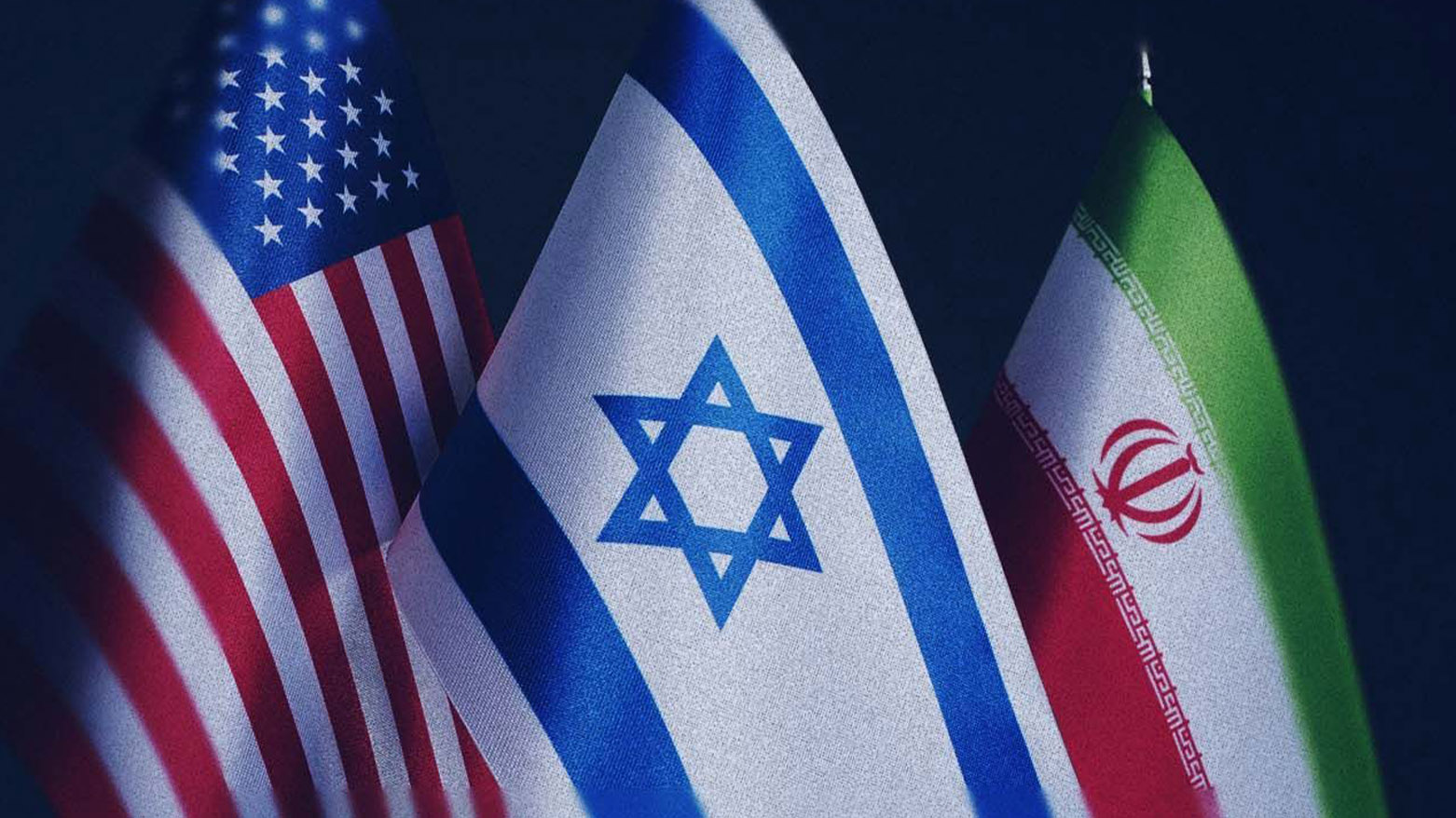
The United States, Israel, and Iran are locked in a high-stakes confrontation over nuclear and missile programs. Israeli Prime Minister Benjamin Netanyahu pressed President Donald Trump to increase pressure on Iran, demanding limits on missiles and nuclear development. Tehran has signaled willingness to discuss uranium enrichment but refuses to negotiate its missile program, declaring it non-negotiable.
Trump responded with a mix of tough talk and military signaling, deploying the USS Gerald Ford alongside the USS Abraham Lincoln in the Arabian Sea. Experts note carrier deployments often demonstrate force while raising risks of miscalculation. Trump seeks a deal without war, while maintaining credibility with Israel and domestic constituencies wary of further conflict.
Read more: Trump signals support for Israel against Iran
Iran insists its missiles are central to national survival, with officials warning that any compromise would compromise deterrence. Netanyahu maintains maximalist demands, insisting a deal address not just nuclear issues but regional proxies and missile limitations. Analysts describe the standoff as a strategic impasse, with both sides testing the other’s resolve.
Domestic pressures complicate diplomacy. The Israeli lobby urges Trump to act decisively, while segments of the MAGA base oppose new conflicts. Media voices warn that misjudged military action could alienate voters. Both Washington and Tehran seek a “golden bridge” to allow compromise without losing face, yet red lines remain firmly drawn.
Read more: Iran says potential mining and aircraft deals on table in talks with US
Iran’s Foreign Minister heads to Geneva for the next round of talks, as the world watches nervously. Diplomats, lobbyists, and military assets position themselves across capitals and the Gulf. The region waits to see whether Trump, Netanyahu, or Iran will blink first—or if miscalculation will ignite a conflict that could reshape the Middle East.