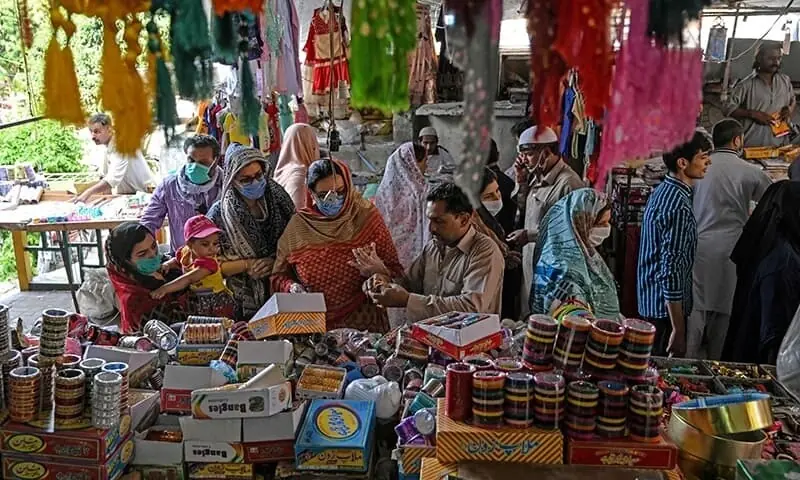
KARACHI: The Sindh government has announced revised business hours under its austerity policy, deciding to close shops and shopping malls at 8pm in most parts of the province.
Read More: Sindh govt to rebuild fire-hit Gul Plaza
According to an official notification issued by the provincial government, the new timings will apply to markets, shopping centres, hotels, and wedding halls across Sindh, with specific variations for major urban areas.
Under the new schedule, shops, markets, and malls located in districts other than divisional headquarters will be required to shut down by 8pm. However, in divisional headquarters cities, including larger urban centres such as Karachi, businesses will be allowed to remain open until 9pm.
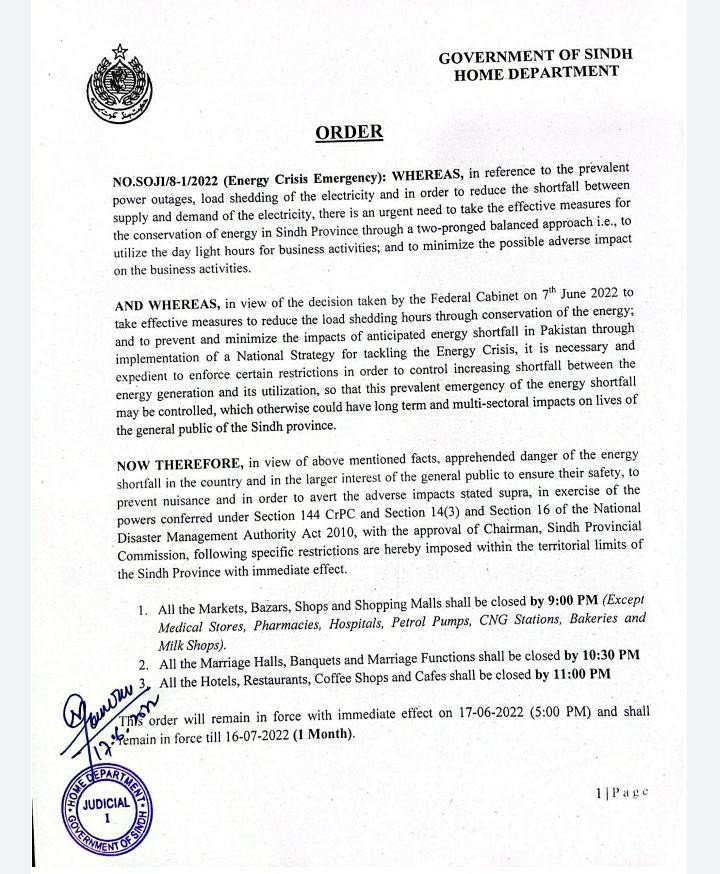
The notification further clarified that several essential services will remain exempt from the restrictions. These include bakeries, milk shops, tandoors, medical stores, laboratories, clinics, hospitals, and petrol pumps, which will continue operating under their existing schedules.
Hotels and food outlets have been granted extended operating hours and will be allowed to remain open from 7pm to 11:30pm. Wedding halls and banquet facilities have also been permitted to host events between 8pm and midnight.
The government has also stated that home delivery and takeaway services will not be affected by the new restrictions, allowing businesses to continue serving customers beyond the designated closing times.
Officials said the decision is part of a broader energy conservation and cost-saving strategy aimed at reducing electricity consumption and improving efficiency in commercial operations.
It is worth noting that similar measures have already been implemented in other provinces, including Punjab and Balochistan, where authorities have directed markets to close at 8pm under federal austerity guidelines.
Read More: Karachi mayor inaugurates five parks in District Central
The new policy is expected to impact business routines and consumer activity, particularly in retail sectors, while authorities maintain that essential services and economic activity will remain uninterrupted.