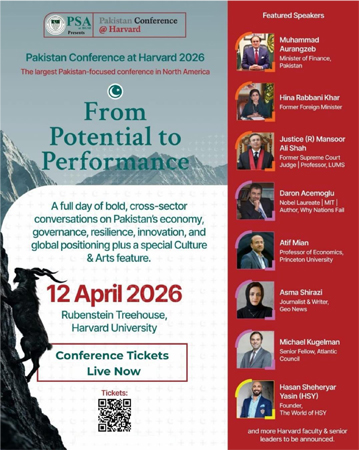
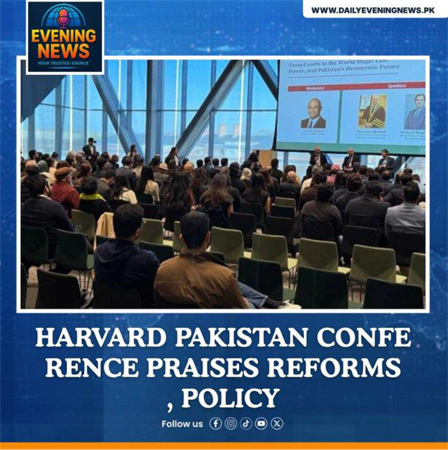
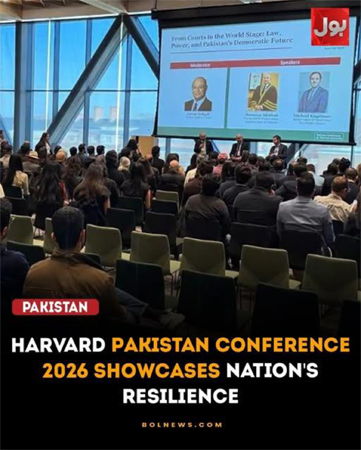
 The Pakistan Conference 2026 which held at Harvard University on April 12, emerged as a landmark symposium. It signals a definitive shift in the global discourse surrounding the nation. Far from the crisisdriven narratives of previous years, the event presented a country reclaiming its agency on the world stage. It was themed around moving from potential to performance.
With a high-powered assembly of over 50 speakers and 700 delegates, the conference underscored a newfound confidence in Pakistan’s economic reforms and its burgeoning role as a regional stabilizer.
Geopolitical Leadership & Diplomatic Pragmatism
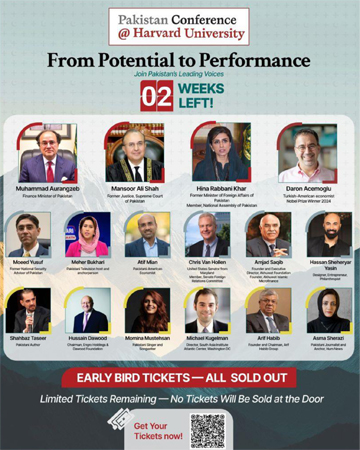
A central theme of the proceedings was Pakistan’s sophisticated navigation of modern geopolitics. The symposium highlighted Islamabad’s successful mediation during recent tensions between global and regional powers, specifically its constructive role in facilitating dialogue and ceasefire efforts in the Middle East. High-level participants, including former Foreign Minister Hina Rabbani Khar, articulated a vision of a principled and pragmatic foreign policy. She detailed the nation’s immense sacrifices in counter-terrorism, reframing Pakistan not as a victim of regional volatility, but as a proactive architect of peace.
This sentiment was echoed by Dr. Moeed Yusuf, who offered a candid assessment of South Asian security dynamics. He argued that while Pakistan remains committed to regional stability, progress is frequently hampered by external hegemonic posturing that disrupts collective growth. The consensus among the panels suggested that Pakistan’s balanced approach to major power competition has solidified its status as a necessary diplomatic bridge in an increasingly fragmented world.
Economic Transformation & Structural Resilience
The economic discourse at Harvard marked a significant turning point, with experts suggesting the national economy has moved beyond the immediate danger zone. In a high-stakes session moderated by Reza Baqir, Finance Minister Muhammad Aurangzeb was joined by Nobel Laureate Dr. Daron Acemoglu and economist Atif Mian to dissect the country’s reform trajectory.
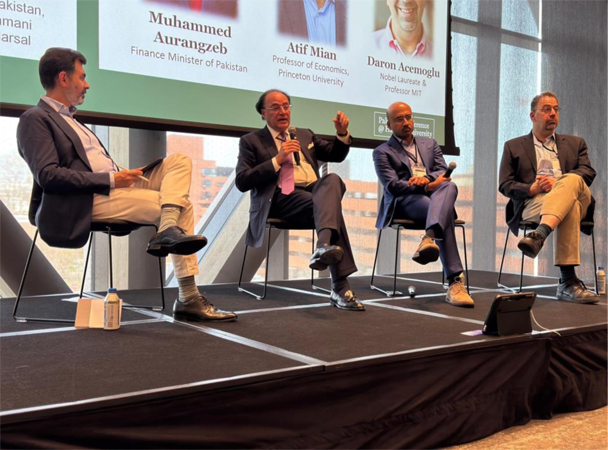
Finance Minister provided a forward-looking roadmap, emphasizing that current structural adjustments are creating a sustainable foundation for an imminent economic take-off. The dialogue shifted away from short-term fixes toward long-term institutional health, with Dr. Acemoglu’s presence highlighting the global academic interest in Pakistan’s governance reforms. The panel concluded that consistent policy implementation and fiscal discipline have finally placed the country on a path toward predictable and inclusive growth.
Innovation, Culture & Social Capital
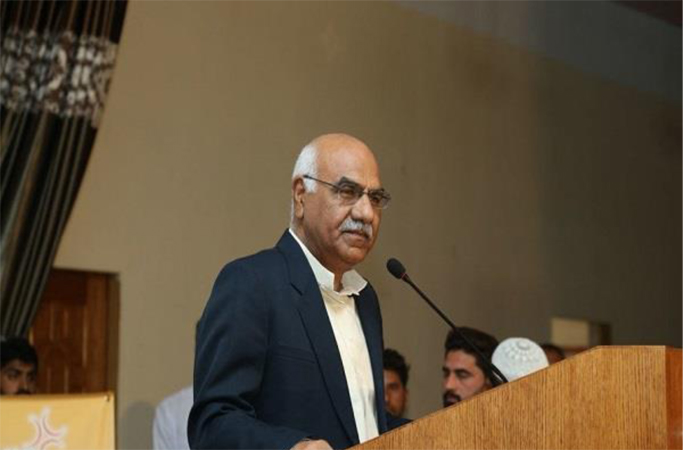
Beyond hard security and finance, the conference showcased the soft power and intellectual diversity of the Pakistani diaspora and domestic leaders. The inclusion of figures like Dr. Amjad Saqib brought a focus to social innovation, emphasizing that Pakistan’s growth must be rooted in communitydriven development and financial inclusion.
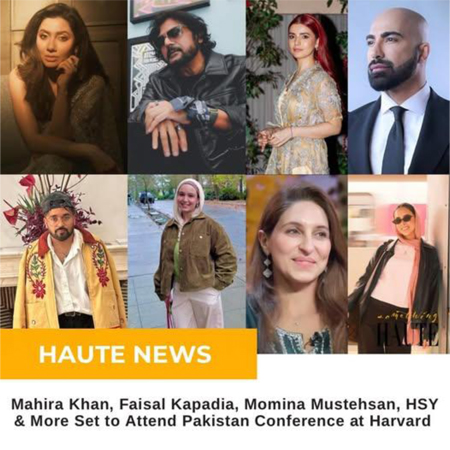
The symposium also dedicated significant space to digital transformation and the creative economy. From media critiques to the contributions of expatriate professionals in technology and education, more than 17 panels reflected a multi-dimensional society. The presence of cultural icons and tech leaders underscored the idea that Pakistan’s greatest asset remains its human capital, specifically a young, digitally-native population ready to compete in the global National Innovation System.
Global Recognition & Future Outlook
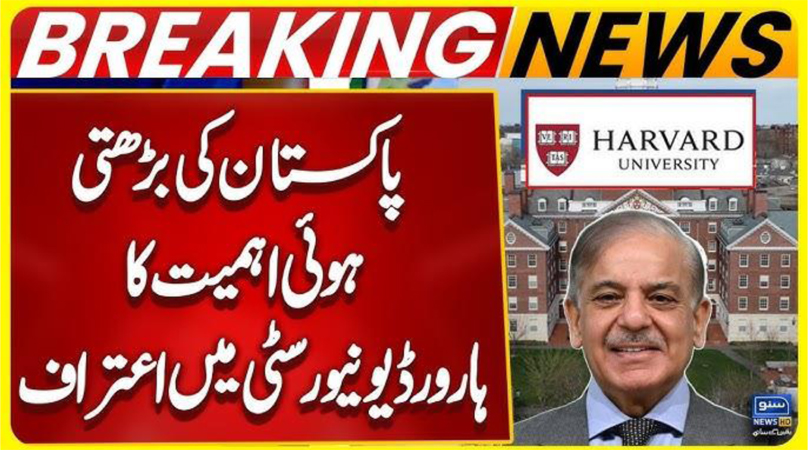
The participation of prominent international figures, including US Senator Chris Van Hollen and Michael Kugelman, validated the conference’s significance. Senator Van Hollen notably praised Pakistan’s diplomatic resilience and its vital contributions to easing regional tensions, suggesting a maturing bilateral relationship built on mutual strategic interests rather than transactional needs.
In summary, the Harvard Pakistan Conference 2026 was more than an academic exercise; it was a showcase of a nation in transition. By aligning economic stability with a proactive foreign policy and a focus on social enterprise, the event projected a narrative of a Pakistan that is increasingly relevant, resilient, and ready for international investment. The overarching message was clear: Pakistan has moved from surviving to strategizing phase and it is setting the stage for a period of sustained national performance.