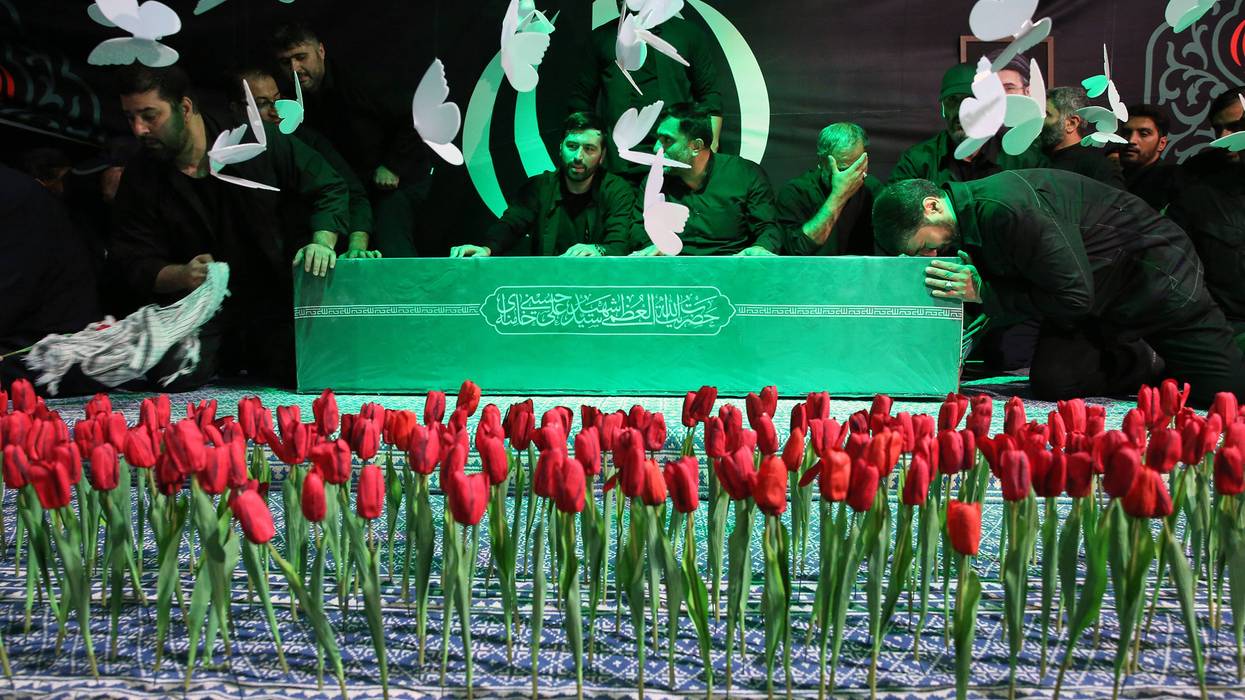
TEHRAN: Iran is preparing for a week of public mourning and funeral ceremonies for Supreme Leader Ayatollah Ali Khamenei, with authorities organising large-scale events across the country aimed at honouring the late leader and demonstrating national unity.
According to Iranian state media, funeral proceedings will begin in Tehran over the weekend before continuing with major public processions in the holy cities of Qom and Mashhad. Additional commemorative ceremonies are also expected to take place in Iraq.
Officials have urged supporters to participate in the events, with arrangements reportedly being made for transportation, accommodation and other logistical support to facilitate large public gatherings. Senior clerics have described the expected turnout as an important display of support for the Islamic Republic following the recent conflict.
Ayatollah Mohammad Saidi, the Friday prayer leader in Qom, said a strong public presence at the funeral would reflect the nation’s commitment to the country’s political system. Authorities hope the ceremonies will project stability after a period of heightened regional tensions.
The funeral comes after a conflict involving Iran, Israel and the United States, during which Iranian leadership faced significant challenges. Iranian officials have announced that Mojtaba Khamenei has assumed the position of supreme leader following his father’s death, although he has not made a public appearance since the conflict began.
Analysts say the funeral takes place against a backdrop of mixed public sentiment, with many Iranians continuing to face economic hardship caused by years of sanctions, inflation and broader financial pressures. Previous protests over rising living costs and political grievances highlighted divisions within Iranian society, although officials maintain that the country remains united.
Security measures have also been tightened in Tehran and other major cities ahead of the funeral events. Some residents have indicated they plan to leave the capital during the mourning period, while others are expected to attend the official ceremonies.
The week-long commemorations are expected to conclude with the burial ceremony in Mashhad, marking a significant moment in Iran’s contemporary political history.