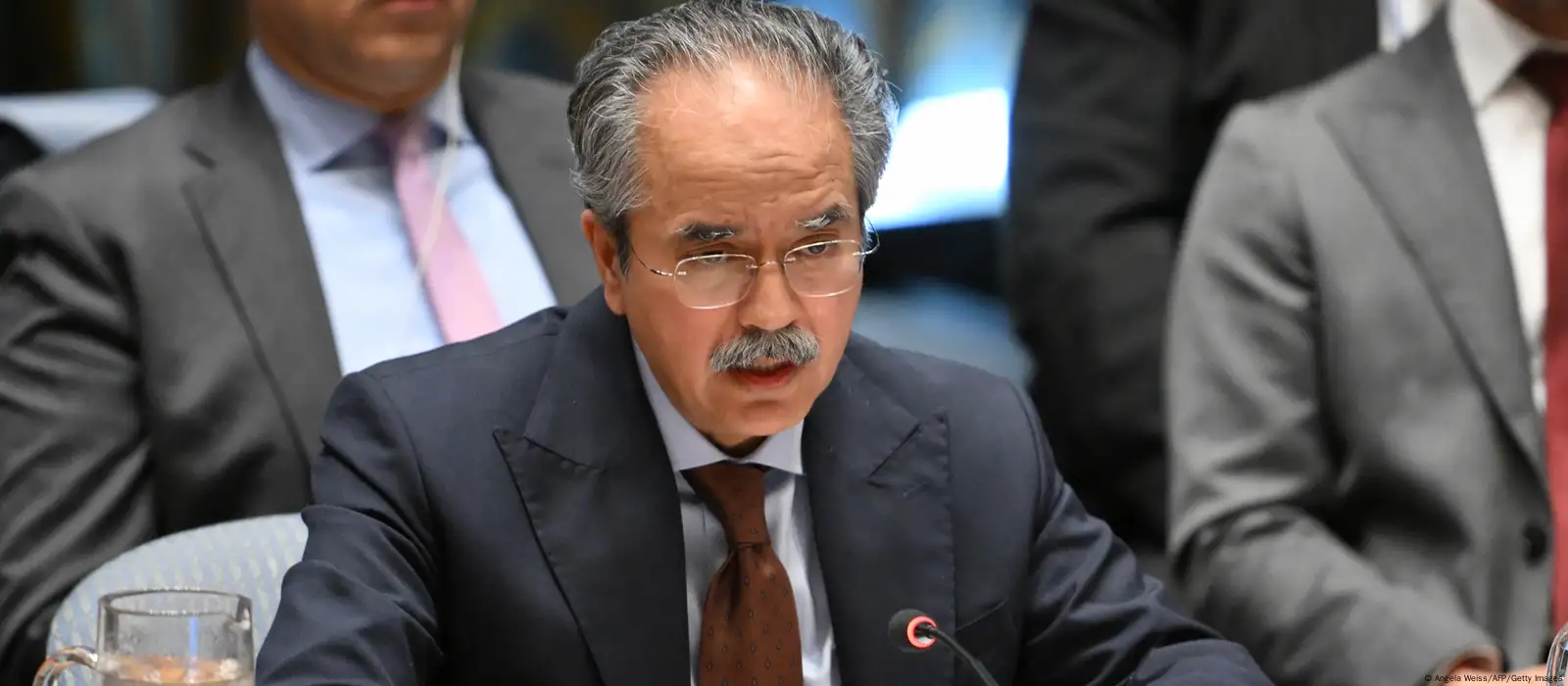
Pakistan has officially taken over the presidency of the United Nations Security Council (UNSC) for the month of July, with Ambassador Asim Iftikhar Ahmad calling for urgent attention to the Kashmir dispute. Speaking at a press conference in New York, he emphasized that the decades-old issue continues to fuel tensions between Pakistan and India and must be resolved in line with UN resolutions.
Ambassador Asim stated that while Pakistan serves temporarily on the Council, it is ultimately the responsibility of the UNSC — particularly its permanent members — to implement decisions and ensure peace. He stressed that the Kashmir issue has political, legal, human rights, and regional security dimensions that make it impossible to ignore any longer.
During its presidency, Pakistan will host two major debates. On July 22, a high-level discussion will focus on “Promoting International Peace and Security through Multilateralism and Peaceful Settlement of Disputes.” A second session on July 24 will address cooperation between the UN and the Organization of Islamic Cooperation (OIC). Both events will be chaired by Deputy Prime Minister and Foreign Minister Ishaq Dar.
In addition, Pakistan will lead the quarterly open debate on the situation in Palestine on July 23. Ambassador Asim explained that these discussions are rooted in the belief that many of today’s global crises arise from unresolved conflicts and the failure to uphold international law. He urged the Council to strengthen mechanisms for mediation, diplomacy, and peaceful resolution.
On Kashmir, the ambassador reminded reporters that the dispute remains on the Security Council’s agenda under the India-Pakistan question. He highlighted that several UN resolutions recognize the right of Kashmiris to self-determination and described the issue as a “festering” problem blocking regional peace and progress.
Pakistan began its current two-year term as a non-permanent UNSC member in January 2025, having secured 182 out of 193 votes. This marks the eighth time Pakistan has served on the Council, with previous terms dating back to 1952. The presidency, which rotates monthly, gives Pakistan a key platform to raise global issues and promote peaceful solutions.