• Skip to primary navigation
  • Skip to main content
  • Skip to primary sidebar
  • Skip to footer
Trending:
  • Kashmir
  • Elections
Saturday, July 25, 2026

Daily Times

Your right to know

  • HOME
  • Latest
  • Iran-Israel war
  • Pakistan
    • Balochistan
    • Gilgit Baltistan
    • Khyber Pakhtunkhwa
    • Punjab
    • Sindh
  • World
  • Editorials & Opinions
    • Editorials
    • Op-Eds
    • Commentary / Insight
    • Perspectives
    • Cartoons
    • Letters to the Editor
    • Featured
    • Blogs
      • Pakistan
      • World
      • Lifestyle
      • Culture
      • Sports
  • Business
  • Sports
  • FIFA World Cup
  • E-PAPER
    • Lahore
    • Islamabad
    • Karachi

Lessons from PIA’s privatisation go far beyond the sale price

Published on: January 3, 2026 9:38 AM

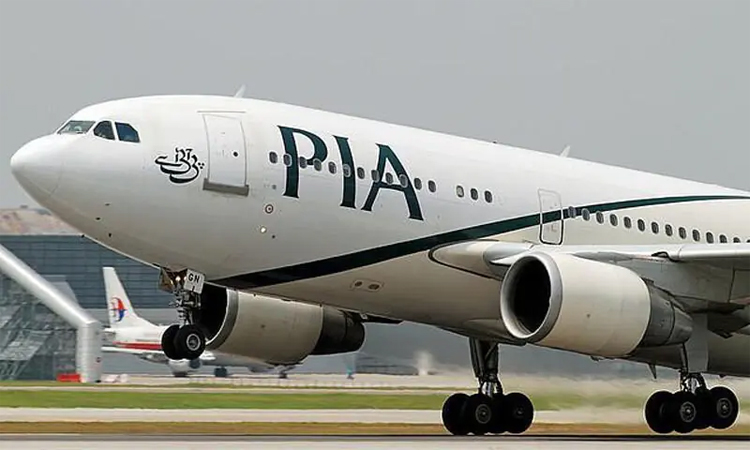
The transfer of Pakistan International Airlines (PIA) to private ownership has been widely welcomed as a step toward reform. However, much of the debate has focused narrowly on the sale price, overlooking deeper structural and governance issues that shaped the outcome.

A closer examination shows that privatisation did not create PIA’s massive financial burden but merely revealed it. Before the sale, the government absorbed more than Rs670 billion in debt and liabilities, effectively shifting the cost of years of mismanagement onto taxpayers.

Read More: PIA privatisation to create jobs, not cut staff, says Arif Habib

PIA’s experience reflects a broader pattern across Pakistan’s state-owned enterprises. Weak governance, patronage-driven boards, and the absence of accountability have allowed losses to accumulate without consequences for decision-makers, turning privatisation into a costly last-resort exit.

The central reform lesson is that ownership change alone is insufficient. Without fixing governance structures and enforcing accountability, losses will continue to be socialised while those responsible face no reputational or professional penalty.

Another key lesson is that privatisation must involve genuine exposure to competition. If a newly privatised firm continues to receive protection, preferential treatment, or implicit subsidies, the reform becomes symbolic rather than substantive.

The case also highlights that many SOEs are simply not viable candidates for privatisation. Prolonged attempts to sell fundamentally unviable entities only deepen losses, making liquidation a less costly and more honest alternative in some cases.

Clarity of purpose is equally critical. The state must decide whether privatisation aims to maximise immediate fiscal returns or to transfer operations to competent owners with sectoral expertise, as the two objectives require very different approaches.

Read More: Government opens bidding for PIA privatisation

Finally, the PIA process exposed serious transparency gaps. Limited public disclosure around valuation, bidding criteria, and post-sale obligations fuelled mistrust and speculation that could have been avoided through clearer communication.

Overall, PIA’s privatisation underscores that sustainable reform depends less on the act of sale and more on governance, competition, transparency, and clearly defined policy goals.

Filed Under: Business Tagged With: economic reform, governance, Latest, Pakistan economy, PIA privatisation, state-owned enterprises, transparency

Submit a Comment


Primary Sidebar


Latest News

Iran FM says ‘no military solution’ to Yemen conflict

IHC declares Iman Mazari, Hadi Chattha sentence suspension pleas maintainable

Katie Price sparks speculation amid marriage troubles

ANF to seek early IHC hearing over recruitment stay

Italian embassy apologises after Bangkok train dispute

Pakistan

IHC declares Iman Mazari, Hadi Chattha sentence suspension pleas maintainable

ANF to seek early IHC hearing over recruitment stay

AJK Election Commission warns parties over poll code violations

Operation Al-Azm death toll rises to 13 in Mastung

Suspect arrested in Lyari Rangers personnel murder case

More Posts from this Category

Business

Gold prices edge higher in Pakistan

Wheat prices risen as high as Rs4,850 per 40 kilograms across Pakistan

Oil prices climb on Middle East tensions

Pakistan bonds slide after new Trump tariffs

US firm eyes Balochistan minerals, oil-gas projects in talks with Pakistan

More Posts from this Category

World

Iran FM says ‘no military solution’ to Yemen conflict

Italian embassy apologises after Bangkok train dispute

India’s education minister resigns after exam leak protests

More Posts from this Category


Footer

Home
Lead Stories
Latest News
Editor’s Picks

Culture
Life & Style
Featured
Videos

Editorials
OP-EDS
Commentary
Advertise

Cartoons
Letters
Blogs
Privacy Policy

Contact
Company’s Financials
Investor Information
Terms & Conditions

Facebook
Twitter
Instagram
Youtube

© 2026 Daily Times. All rights reserved.

We use cookies to ensure that we give you the best experience on our website. If you continue to use this site we will assume that you are happy with it.