WASHINGTON: The United States came close to launching military strikes against Iran amid escalating unrest, but ultimately stepped back due to operational constraints, diplomatic signals and concerns over regional retaliation, analysts and former officials say.
Read More: US slaps sanctions on Iran over crackdown on protesters – Daily Times
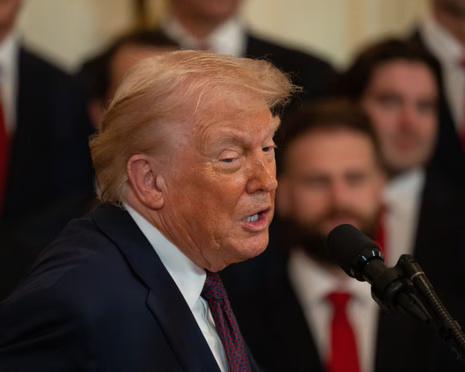
The crisis in Iran — driven by economic collapse, soaring inflation and widespread public anger — had prompted President Donald Trump to publicly warn Tehran against using force on protesters. Behind the scenes, however, strike preparations moved swiftly, according to an Axios investigation, with US forces repositioned from bases in Qatar and Bahrain, while Iran temporarily closed its airspace.
Officials stressed that the build-up was not symbolic. “It was really close,” one US official said, noting that the Pentagon was ready to act, but the final order never came. A key limiting factor was military force posture. After previous clashes, US assets had been redeployed to the Caribbean and East Asia, leaving the Gulf “not ready” for a full retaliatory cycle, sources said.
Regional allies also signaled caution. Israeli Prime Minister Benjamin Netanyahu warned that Israel was not sufficiently prepared for Iran’s likely missile and drone response, while Saudi Crown Prince Mohammed bin Salman expressed concern about regional destabilisation. Analysts noted that any US strikes would have carried the risk of escalation across a vulnerable theatre.
A diplomatic channel provided an additional off-ramp. Iranian Foreign Minister Abbas Araghchi reportedly sent messages through Trump’s envoy pledging to halt executions of detained protesters and “stop the killing”, offering a path to de-escalation. While US officials insisted it was not the sole factor, Trump acknowledged the messages influenced the decision.
Read More: Netanyahu urges Trump to delay military strike on Iran, reports say
Experts say the episode highlighted the limits of military intervention in shaping Iran’s internal dynamics. Despite widespread unrest, Iran’s security forces have remained loyal and cohesive, with no signs of defection that could threaten regime stability. Analysts argue that while foreign pressure can influence state behavior, it is unlikely to engineer democratic change or protect protesters directly.