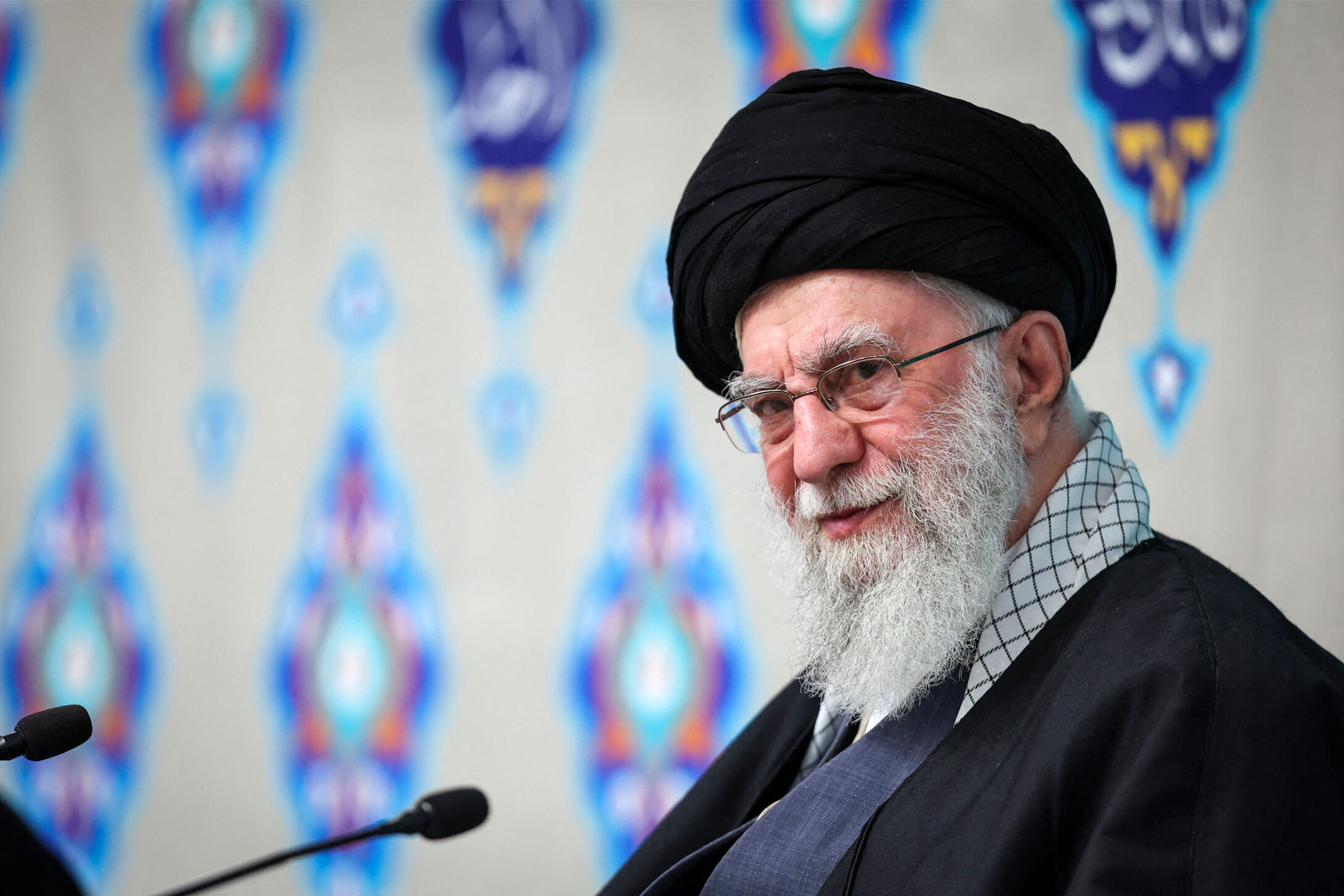
Iranian state television and the state-run Islamic Republic News Agency confirmed early Sunday that Supreme Leader Ali Khamenei was killed in a major United States and Israeli airstrike on his compound in central Tehran. The 86-year-old leader, who ruled Iran since 1989, died alongside several close relatives, including a daughter, son-in-law, daughter-in-law and a grandchild, according to official reports. His death marks the most dramatic escalation in tensions between Tehran, Washington and Tel Aviv in decades. Authorities declared 40 days of national mourning and announced a temporary governing council until a new supreme leader is selected.
President Donald J. Trump Monitors U.S. Military Operations in Iran: Operation Epic Fury, February 28, 2026 pic.twitter.com/OfnMkmBZ8G
— The White House (@WhiteHouse) February 28, 2026
Earlier, US President Donald Trump publicly claimed that Khamenei had been killed, calling the strike a decisive blow against Iran’s leadership and nuclear ambitions. He stated that heavy and precise bombing would continue throughout the week, warning that the campaign would not stop until Iran’s strategic capabilities were neutralized. Israeli Prime Minister Benjamin Netanyahu said intelligence signs indicated Khamenei did not survive the strike on his heavily guarded compound. Satellite imagery released after the attack showed widespread destruction at the targeted site in downtown Tehran.
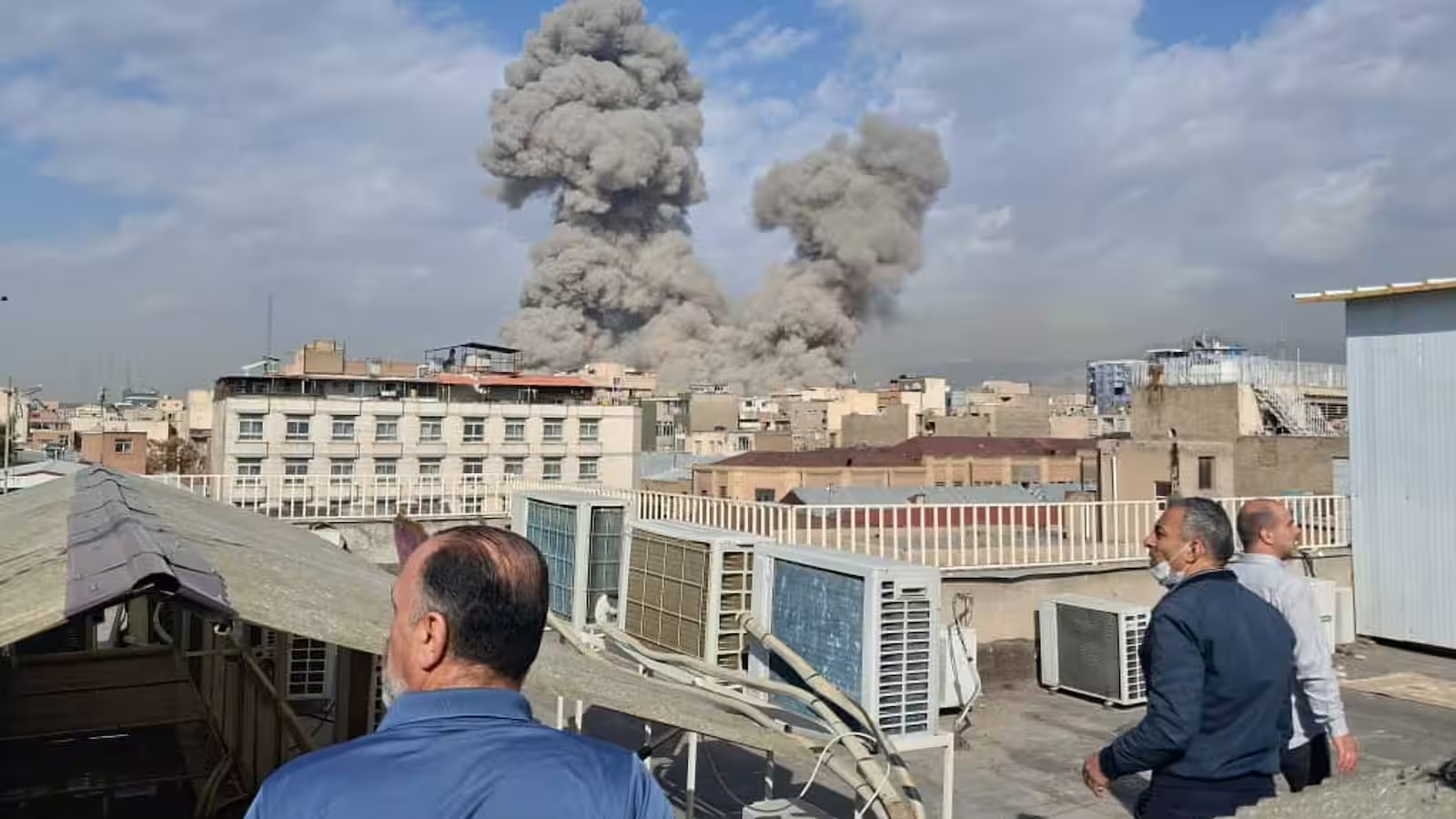
In response, Iran launched a large-scale missile and drone barrage toward Israel under an operation it named “Fateh Khyber,” signaling immediate retaliation against what it described as coordinated aggression. Air raid sirens sounded across northern Israel and in Tel Aviv, while explosions were reported near key urban and military areas. Iranian officials stated that ballistic missiles and armed drones struck selected targets, and exchanges of fire continued into the night. The Iranian Cabinet warned that the attack on its leadership would never go unanswered and vowed severe consequences.
Read more : Khamenei alive, officials safe, Iran seeks de-escalation –
Meanwhile, Israel claimed it eliminated several senior Iranian officials during the same wave of strikes, including top Revolutionary Guard commanders and security advisers close to Khamenei. Iranian authorities confirmed the deaths of high-ranking figures and quickly appointed replacements to maintain military command and internal stability. Public anger surged across major cities, where crowds gathered in protest, waving national flags and chanting against the United States and Israel. Analysts warn that the sudden leadership vacuum and rapid military escalation could push the Middle East toward a broader and prolonged regional conflict.
Read more : Pakistani national killed in Iranian missile strikes on UAE –
Khamenei had led Iran since succeeding Ruhollah Khomeini in 1989, holding ultimate authority over political, military and religious institutions for more than three decades. His leadership shaped Iran’s domestic policies, strengthened the Revolutionary Guard’s influence, and defined the country’s confrontational stance toward Western powers. With no publicly confirmed successor in place, uncertainty now surrounds the future direction of the Islamic Republic. Consequently, regional powers and global markets are closely watching developments as tensions threaten to reshape the geopolitical balance in the Middle East.