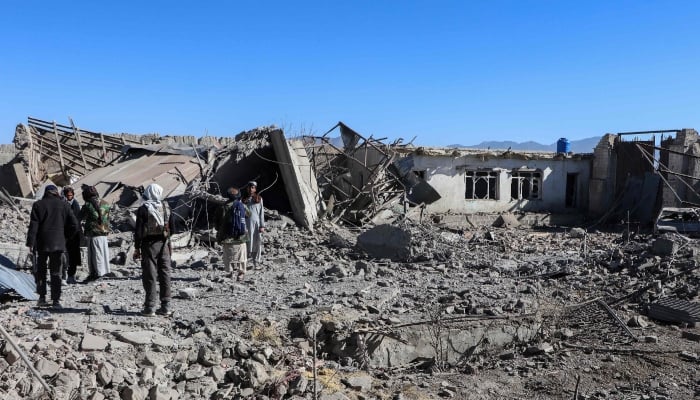
KABUL – Afghan authorities reported on Friday that Pakistani air strikes overnight hit Kabul and several border provinces, killing four people in the capital and injuring 15, including women and children. Homes in residential areas were struck, according to Khalil Zadran, spokesman for Kabul police.
Read More: Pakistan continues to inflict heavy losses on Afghan Taliban
A Pakistani security official, speaking anonymously, confirmed the operations, stating that the targets were militants of the Pakistani Taliban, known as TTP. Islamabad has intensified cross-border strikes in recent weeks, citing escalating attacks within Pakistan. The Taliban government, however, denies any use of Afghan territory for militant operations.
Spokesman Zabihullah Mujahid noted that the strikes also hit Kandahar, Paktia, and Paktika provinces. In Kandahar, the bombing struck a fuel depot serving civilian airlines, including Kam Air, and UN aircraft, highlighting risks to non-military infrastructure. Pakistan maintains that no civilians were harmed, though independent verification of casualties remains difficult.
Recent clashes between Afghan and Pakistani forces along the border have disrupted trade and forced thousands to flee. According to the UN refugee agency, around 115,000 people have been displaced, while the UN Assistance Mission in Afghanistan (UNAMA) reports that 56 civilians, including 24 children, were killed in Pakistani operations between February 26 and March 5.
The escalation followed an Afghan offensive on February 26 in retaliation for prior Pakistani strikes on the TTP. Pakistan declared “open war” against Taliban authorities, bombing Kabul on February 27. Since then, border fighting has continued, with casualties reported in Khost and other eastern provinces.
Read More: Pakistan army strikes Afghan Taliban posts, ammo depots destroyed
Deputy government spokesman Hamdullah Fitrat accused Pakistan of deliberately targeting civilian homes and nomads’ tents. The ongoing conflict underscores the fragile security situation in border regions, with residents facing daily threats from air strikes, artillery fire, and displacement.