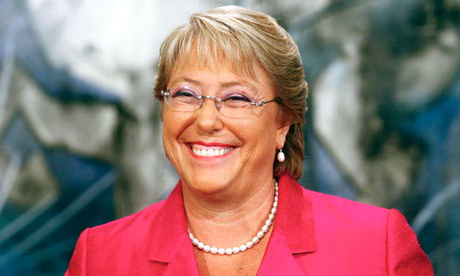
Former Chilean president Michelle Bachelet reaffirmed her strong support for women’s rights while campaigning to become the next leader of the United Nations, despite political pressure from lawmakers in the United States opposing her candidacy. Speaking during a public hearing in New York, she emphasized that advancing gender equality remains essential to global progress and must continue under the UN’s leadership.
Bachelet, 74, told reporters she had read a letter signed by more than two dozen Republican lawmakers who urged Washington to veto her candidacy, accusing her of promoting what they described as an extreme abortion agenda. However, the former president insisted she would always stand by women and ensure that international commitments to women’s rights remain fully implemented across the UN system.
Read more : UN reported nearly 8,000 people died in irregular migration attempts …
During the three-hour hearing with diplomats and civil society representatives, Bachelet explained that her responsibility as secretary-general would include ensuring that existing UN policies supporting women and gender equality are effectively carried out. She argued that strengthening women’s rights globally is necessary for social development, stability and fair economic growth in every region.
The race to lead the 193-member United Nations also includes Rafael Grossi of Argentina, Rebeca Grynspan of Costa Rica and Macky Sall of Senegal. The winner will serve a five-year term beginning next year, with the possibility of another five-year extension, although more candidates could still enter the contest in coming months.
Read more : UNGA adopts resolution to strengthen work of UN system
Meanwhile, diplomats say the next UN chief will face the difficult task of restoring the organization’s global influence at a time when major powers frequently challenge international norms. Governments have also demanded reforms to cut costs and make the institution more effective in resolving conflicts and addressing humanitarian crises worldwide.
Notably, no woman has led the United Nations in its nearly 80-year history, and many diplomats believe the upcoming selection could break that pattern. Traditionally the role rotates among global regions, with Latin America considered next in line, although final approval depends heavily on the support of the UN Security Council’s permanent members.