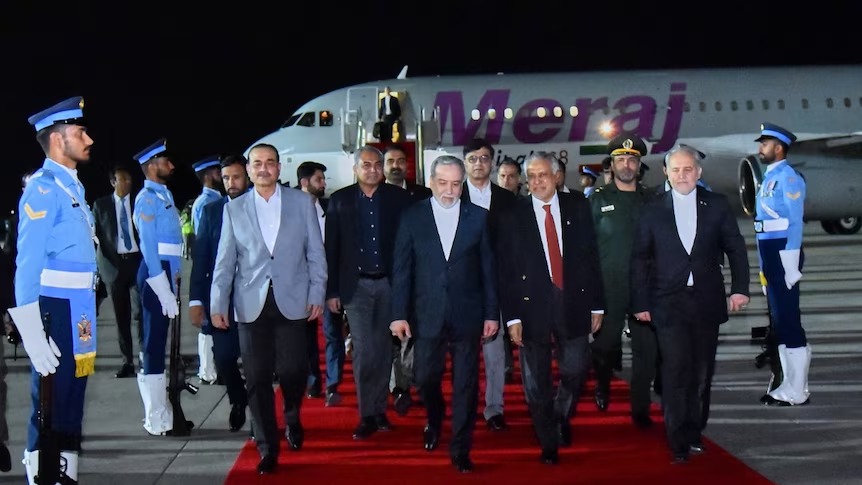
Hopes for a diplomatic breakthrough between the United States and Iran weakened as the new week began after President Donald Trump abruptly canceled a planned visit by his envoys to Islamabad. The move followed the departure of Iranian Foreign Minister Abbas Araqchi from Pakistan without securing progress in negotiations aimed at ending the two-month conflict involving Iran, the United States, and Israel. Consequently the stalled talks have left tensions high across the region while both sides continue to maintain firm positions and show little willingness to compromise.
Read more : Talks in limbo as Trump cancels envoys’ visit after Iranian FM leaves …
Meanwhile the diplomatic deadlock keeps two powerful global players locked in confrontation, raising wider concerns about economic stability and global energy supplies. The conflict has already pushed international oil prices to multi-year highs while adding pressure on inflation and weakening expectations for global economic growth. Analysts warn that continued uncertainty around negotiations could further disrupt trade routes and energy markets if the situation escalates or prolonged tensions affect shipping and supply chains.
During the weekend Iranian President Masoud Pezeshkian spoke with Pakistani Prime Minister Shehbaz Sharif and made it clear that Tehran would not enter negotiations under pressure or threats. He insisted that Washington must first remove what he described as operational obstacles, including restrictions on Iranian ports, before meaningful diplomatic discussions can begin. Iranian officials also stressed that their country would not accept maximalist demands from the United States while maintaining that Tehran’s leadership remains united in its strategic decisions.
Read more : US weapons stockpile depleted in Iran war
However Trump defended the decision to cancel the diplomatic visit by envoys Steve Witkoff and Jared Kushner, saying the trip required significant time and expense without guaranteeing meaningful results. According to the president, Iran had made certain proposals but they were insufficient to justify continuing the negotiations at this stage. In a social media message he also claimed there was internal disagreement within Iran’s leadership and insisted the United States held stronger leverage in the dispute.
At the same time regional tensions have intensified as Israeli Prime Minister Benjamin Netanyahu ordered strikes against Hezbollah positions in Lebanon despite a fragile three-week ceasefire. Iran has also largely closed the Strait of Hormuz, a critical waterway through which roughly one-fifth of global oil and liquefied natural gas shipments normally pass. Meanwhile Washington continues blocking Iranian oil exports, adding another layer of pressure to an already fragile diplomatic situation.
The conflict originally erupted on February 28 when US-Israeli airstrikes targeted Iranian sites, prompting retaliatory attacks by Tehran against Israel, American military bases, and several Gulf states. Although a ceasefire currently remains in place, diplomatic progress has stalled and both sides appear reluctant to soften their demands. As a result international observers fear that without renewed negotiations the fragile pause in fighting could collapse and trigger a wider regional crisis.