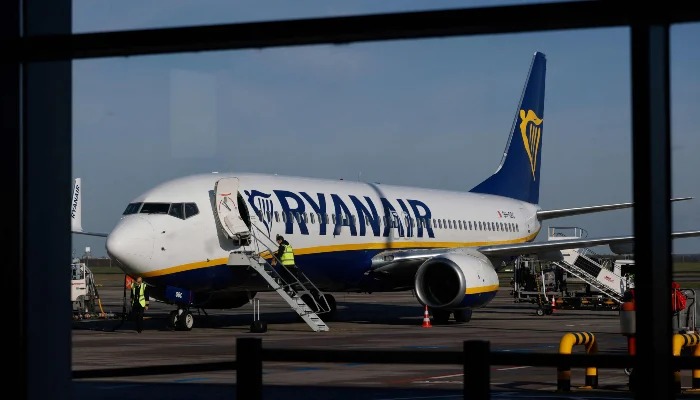
Budget airlines across the world have started reducing flights as soaring jet fuel prices strain their operations, following disruptions in global oil supplies caused by tensions in the Middle East. The closure of the Strait of Hormuz has removed a significant portion of oil from global markets, sharply increasing fuel costs and raising concerns about shortages affecting aviation.
Major low-cost carriers including Ryanair, Transavia and Volotea are among the first to adjust their flight schedules as operational costs climb. Because budget airlines rely on cheaper ticket prices and thinner profit margins, they often have limited ability to absorb sudden increases in fuel expenses compared with larger traditional carriers.
Read more : Petrol, diesel get costlier by nearly Rs 27 per litre –
Industry analysts say airlines are already reacting even before any physical fuel shortages occur, as uncertainty in energy markets pushes companies to protect their finances. Rising fuel prices could force airlines to cancel less profitable routes or reduce frequency on certain flights, especially during the busy summer travel season when demand usually peaks.
Several carriers have already announced reductions in their schedules. Canada’s Air Transat has cut about six percent of flights scheduled between May and October, while Malaysia-based AirAsia X reported trimming around ten percent of its flights and raising ticket prices by up to forty percent to manage the rising fuel costs.
Read more : Public, freight transport fares hiked amid rising petrol prices
Meanwhile, some airlines are attempting to maintain capacity despite the financial pressure. Hungary’s Wizz Air said it currently plans to keep its flight capacity unchanged, believing competitors may reduce operations first, potentially giving it a competitive advantage in key markets.
Large aviation groups are also adjusting their schedules in response to the volatile fuel market. Germany’s Lufthansa recently announced plans to remove around twenty thousand flights from its timetable through October, while the Air France-KLM group has trimmed a small portion of flights through its budget subsidiary Transavia as airlines brace for a prolonged period of high energy prices.