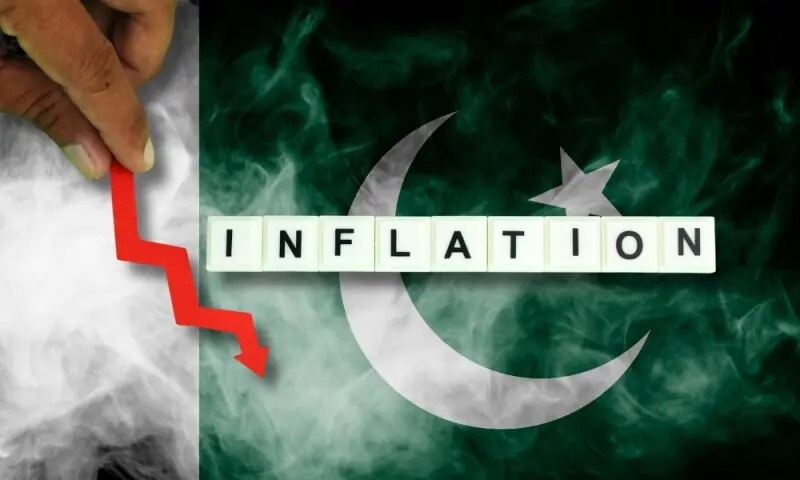
Pakistan’s inflation is expected to remain within the 8 to 9 percent range in April 2026, as supply chain disruptions linked to regional tensions continue to influence domestic prices. The Finance Division stated in its monthly economic outlook that key macroeconomic indicators have remained relatively stable despite ongoing external pressures.
The report highlighted that inflationary trends are being shaped by global developments, particularly rising fuel prices and supply constraints triggered by the Iran-related conflict. These factors have increased production and transportation costs, which are gradually passing through to consumers across various sectors of the economy.
Read more : ECC expresses satisfaction over inflation drop
According to official data from the Pakistan Bureau of Statistics, the Consumer Price Index inflation rose to 7.3 percent year-on-year in March, compared to 7 percent in February. This upward trend reflects continued price pressures, although the increase remains moderate compared to previous periods of economic instability.
Furthermore, global oil prices crossing the $100 per barrel mark have intensified cost pressures, especially for energy-importing countries like Pakistan. The combination of higher fuel costs and supply chain challenges has contributed to inflation expectations remaining elevated within the projected range for April.
Read more : Govt raises petrol by Rs6.51 per litre, diesel prices by Rs19.39 per …
Despite these challenges, the report noted that Pakistan’s economy appears relatively better positioned compared to past external shocks, supported by improvements in key sectors. Manufacturing activity has shown consistent growth, while the external sector recorded three consecutive monthly current account surpluses driven by strong remittances and increasing IT exports.
Additionally, Pakistan strengthened its financial credibility through timely repayment of $1.4 billion in Eurobonds, progress in negotiations with the International Monetary Fund, and the maintenance of a B- rating by Fitch. These developments indicate growing investor confidence and provide a degree of stability amid ongoing global uncertainty.