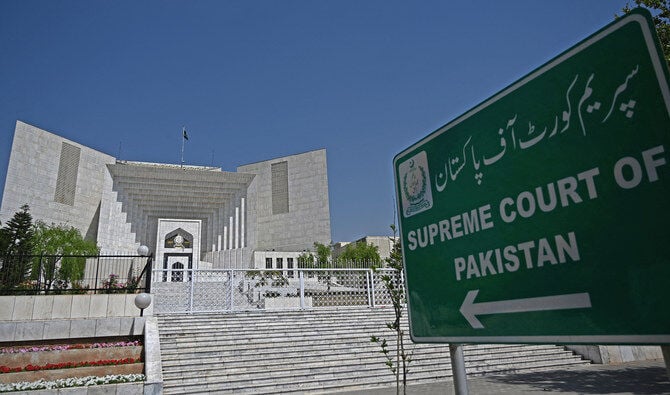
The Supreme Court of Pakistan has announced that it will lift austerity measures imposed earlier this year due to energy supply disruptions. The decision follows a notification issued with the approval of the Chief Justice of Pakistan. The measures will officially cease to have effect from June 15, 2026. The move marks a return to normal court operations.
The austerity plan was introduced on March 10, 2026, amid disruptions in petroleum supplies linked to global tensions. At that time, the judiciary adopted a four-day work week to conserve resources. Moreover, the monthly fuel allocation for judges and officers was reduced by 50 percent. Therefore, the system was adjusted to reflect the energy crisis.
According to the latest notification, the earlier directive has now been withdrawn. It stated that all austerity measures under the March notification will no longer apply. In addition, courts will revert to their standard operational schedules. The decision aligns with improved energy availability in the country.
The government had originally introduced broader austerity steps during the Middle East conflict. Several state institutions, including parliament and judiciary, followed the policy. Furthermore, the measures were part of a nationwide effort to manage fuel shortages. Consequently, multiple sectors reduced operational activity during that period.
Judicial policy bodies had also reviewed working schedules of lower courts. They recommended returning to a six-day working week under normal conditions. However, they also emphasized continued energy-saving practices. Overall, the judiciary aims to balance efficiency with resource management going forward.