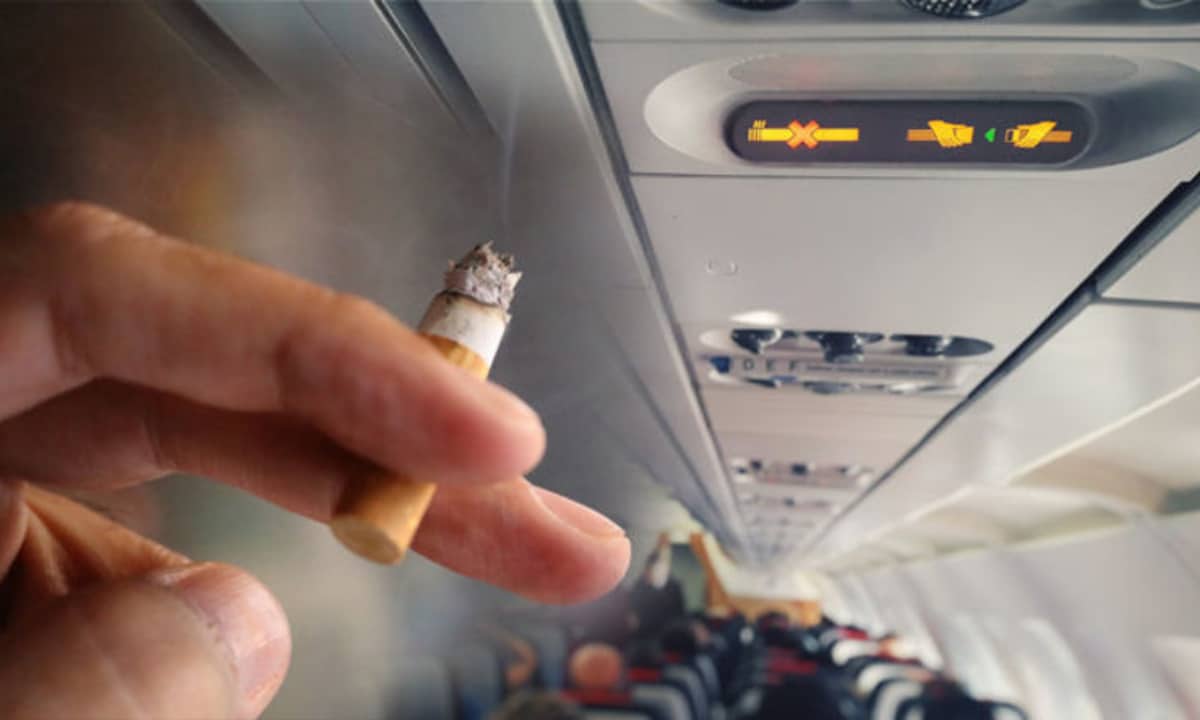
Pakistan International Airlines (PIA) has imposed a ban on smoking by cabin crew members while on duty, as part of measures introduced by the airline’s new management to strengthen discipline and professional standards.
According to an official directive issued by the national carrier, flight attendants will no longer be allowed to smoke during duty hours, including while staying at hotels or visiting public places during official assignments.
The order also prohibits cabin crew members from carrying cigarettes, cigars or other tobacco products in their hand-carry luggage or personal baggage while performing official duties. The move is aimed at ensuring compliance with professional conduct standards and promoting a healthier working environment.
PIA management has instructed all concerned staff to strictly adhere to the new guidelines. The directive is expected to apply to both domestic and international flight operations, covering all cabin crew members assigned to active duty.
The latest measure comes as the airline continues efforts to improve its operational standards and strengthen oversight of employee conduct. In recent years, PIA has introduced several administrative reforms aimed at enhancing the organization’s image and improving service quality.
The decision follows a series of incidents involving airline personnel that drew public attention and prompted calls for stricter enforcement of workplace regulations. Aviation experts say many international airlines maintain strict policies regarding smoking and the possession of tobacco products during official assignments to ensure professionalism and compliance with health and safety standards.
While PIA has not announced specific penalties for violations of the new directive, employees are expected to comply fully with the instructions issued by management. Failure to follow the policy could potentially result in disciplinary action under the airline’s rules and regulations.
The smoking ban reflects the airline’s broader efforts to modernize workplace practices, improve employee discipline and align operational procedures with international aviation standards as it seeks to enhance its reputation among passengers and industry stakeholders.