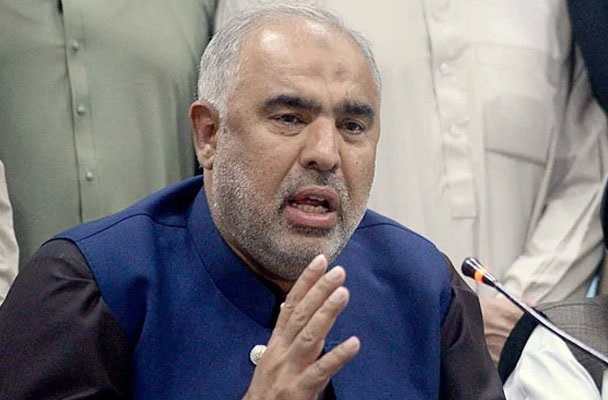
Pakistan Tehreek-e-Insaf (PTI) leader and former National Assembly speaker Asad Qaiser has claimed that more than 400 missing persons were recovered during the party’s tenure in government, while calling for greater political freedom and stronger public representation in Balochistan.
Speaking at a press conference in Quetta alongside PTI leader Junaid Akbar, Qaiser said the current National Assembly and Balochistan Assembly do not reflect what he described as the genuine mandate of the people. He urged authorities to provide an opportunity for the public’s “true representatives” to enter the legislatures.
Qaiser said PTI would not compromise on its democratic rights and stressed that political parties should be provided with a level playing field to participate freely in the country’s political process. According to him, ensuring political freedom is essential for strengthening democracy and public confidence in state institutions.
Commenting on the situation in Balochistan, the PTI leader called for the effective implementation of the National Action Plan, saying it remains an important framework for addressing security and governance challenges.
He also claimed that more than 400 missing persons were recovered during the PTI government’s tenure, adding that resolving Balochistan’s long-standing issues requires listening to the concerns of local communities and addressing their grievances through meaningful dialogue.
Qaiser further said that Akhtar Mengal remains an ally of PTI, adding that both sides would continue cooperating on matters concerning Balochistan through political engagement and consultation.
Speaking on the occasion, PTI leader Junaid Akbar said party founder Imran Khan continues to enjoy public support across Pakistan. He argued that political authority in Balochistan should rest with representatives who have the confidence and backing of the people.
The leaders reiterated their commitment to pursuing political dialogue and democratic principles, while emphasising the need for inclusive governance and effective implementation of policies aimed at addressing the province’s challenges.