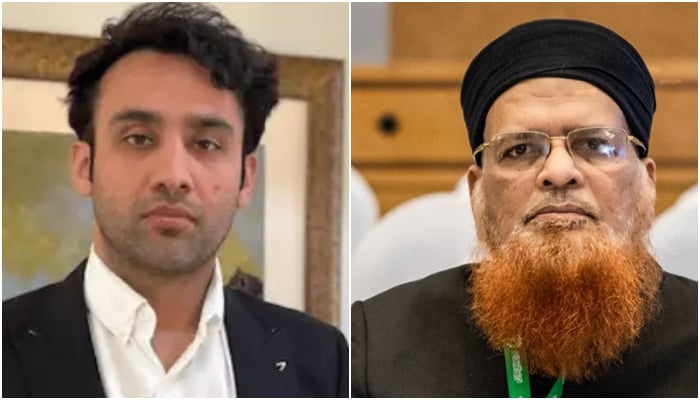
Chairman of the Pakistan Virtual Assets Regulatory Authority Bilal bin Saqib said he held a constructive meeting with renowned religious scholar Mufti Muhammad Taqi Usmani regarding digital assets and their Sharia status. The discussion focused on understanding emerging technologies while protecting the public from fraud, exploitation, and financial risks. The meeting comes amid growing debate over cryptocurrency regulation in Pakistan.
In a statement shared on social media platform X, Bilal bin Saqib said both sides agreed on the common objective of safeguarding Pakistani citizens from potential financial losses. He emphasized the need for careful evaluation of digital assets instead of viewing all forms of virtual assets through a single perspective.
Read more: Pakistan actively advancing its digital economy: Bilal Bin Saqib
Bilal said blockchain technology, digital assets, stablecoins, and tokenised real-world assets represent different technological categories that require separate analysis. He added that both technical assessments and comprehensive Sharia reviews are necessary before developing policies related to these emerging financial instruments.
Today, I had a constructive discussion with Mufti Taqi Usmani Sahib on digital assets and the ongoing conversation around their Shariah status.
We are united on one fundamental objective: protecting Pakistanis from fraud, exploitation, and financial harm.
I shared that…
— Bilal bin Saqib MBE (@Bilalbinsaqib) July 11, 2026
He further said the digital asset sector is continuously evolving and requires ongoing consultation among religious scholars, regulatory authorities, and industry experts. According to him, Pakistan’s policy framework should be developed through a balanced understanding of Islamic principles and modern financial technologies.
Read more: Bilal Bin Saqib steps down as PM’s aide on blockchain and crypto
The discussion follows a recent opinion issued by Mufti Taqi Usmani regarding cryptocurrency. According to his view, based on available research and expert opinions, cryptocurrency does not qualify as traditional wealth and represents entries of numbers in digital accounts. He stated that purchasing goods through cryptocurrencies, including USDT or other crypto tokens, is not permissible according to his interpretation.