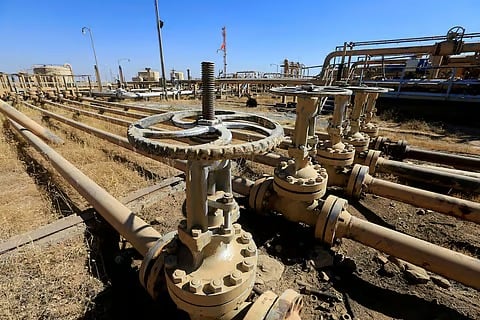
Iraq is studying the construction of a strategic oil pipeline linking its southern oil fields with Türkiye and Syria as part of a long-term plan to diversify crude export routes and reduce reliance on the Strait of Hormuz. The proposed project aims to strengthen Iraq’s energy security while creating alternative routes for exporting oil to international markets.
Read more : Trump praises Iraq’s new prime minister
Iraqi Oil Minister Basim Mohammed Khudair said the government is conducting a feasibility study for a pipeline that would extend from Basra to Kirkuk before continuing to Türkiye’s Mediterranean port of Ceyhan. In addition, authorities are examining the possibility of adding a branch to the Syrian coastal city of Baniyas, which hosts a major refinery and export terminal.
Khudair said Iraq has adopted a long-term strategy to ensure multiple export options instead of depending solely on the Strait of Hormuz. He added that the government has signed a memorandum of understanding with a consortium that includes Chevron, TE Capital and Qatar’s UCC to study the project’s technical and commercial feasibility.
Read more : Iraq hosts funeral processions for Khamenei
The proposed Baniyas connection would revive part of the historic Kirkuk-Baniyas pipeline, which became largely inoperable after years of conflict, sanctions and regional instability. Officials believe restoring alternative export infrastructure could improve Iraq’s energy resilience and provide greater flexibility in international oil shipments.
As OPEC’s second-largest oil producer, Iraq currently exports most of its crude through the Strait of Hormuz, one of the world’s busiest energy shipping routes. The pipeline proposal comes as rising regional tensions continue to increase concerns about the security of global oil supplies and the need for more reliable export corridors.