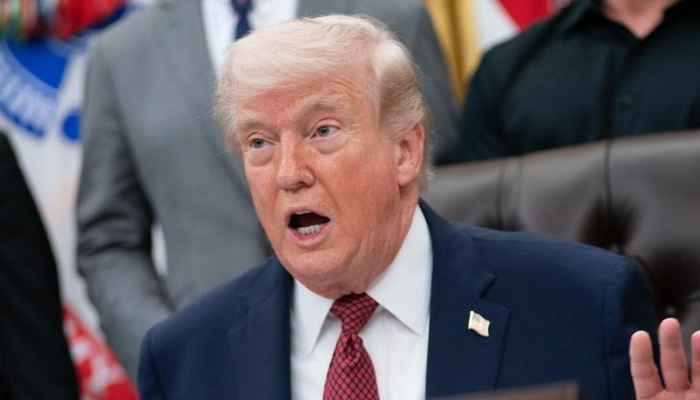
US President Donald Trump has intensified pressure on Iran, claiming the country is in a “state of collapse” as tensions over the Strait of Hormuz continue to rise amid stalled peace talks.
Read More: Trump highlights Pakistan ties, Iran conflict remarks
In a post on Truth Social, Trump said Iran had reportedly informed Washington that it urgently wanted the reopening of the strategic waterway, which has been disrupted since the start of the ongoing conflict. He suggested the request reflected internal instability within Tehran’s leadership.

The Strait of Hormuz, a key global energy route, has remained partially restricted, contributing to volatility in oil markets and increasing global economic pressure.
Diplomatic efforts to resolve the conflict have slowed, with disagreements emerging over the structure of negotiations. According to reports, Iran’s latest proposal suggests delaying discussions on its nuclear programme until after broader ceasefire and maritime issues are resolved.
However, US officials say Trump is unwilling to separate nuclear concerns from the initial stages of any agreement, viewing them as central to a lasting settlement.
A White House spokesperson reaffirmed that Washington has defined clear “red lines” in negotiations, while maintaining that efforts to end the conflict continue.
The situation has been further complicated by the suspension of a planned diplomatic visit involving US envoys to Pakistan, which has acted as a mediator in earlier rounds of talks.
Iranian officials have continued discussions with regional and global partners, including meetings in Oman, Russia, and Pakistan, seeking support and diplomatic backing.
Meanwhile, oil markets reacted to the uncertainty, with prices rising as concerns over supply through the Strait of Hormuz persist. Analysts say physical disruptions to shipping routes are now a key driver of market instability.
Shipping data indicates a sharp decline in vessel movement through the strait, with only a fraction of normal traffic continuing, and limited oil exports reaching global markets.
Iran has claimed it is preparing alternative trade routes and has dismissed the impact of US pressure, calling restrictions on its maritime trade illegitimate.
Read More: US-Iran peace hopes dim after Trump cancels Islamabad talks
Despite continued diplomatic engagement, both sides remain divided over sequencing of negotiations, particularly regarding nuclear issues, sanctions relief, and maritime access, leaving prospects for a breakthrough uncertain.