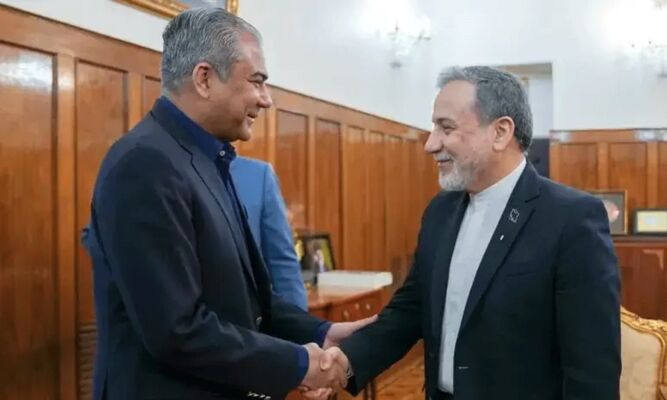
Pakistan intensified diplomatic efforts to help advance peace talks between the United States and Iran amid rising regional tensions. Interior Minister Syed Mohsin Naqvi held fresh discussions with Iranian Foreign Minister Abbas Araqchi in Tehran on Friday. The talks focused on proposals aimed at ending the ongoing US-Israeli conflict and easing global economic concerns.
Iranian media reported that Naqvi met Araqchi two days after delivering Washington’s latest message to Tehran. Despite signs of progress, both sides remain divided over Iran’s uranium stockpile and restrictions in the Strait of Hormuz. US Secretary of State Marco Rubio said recent discussions showed “some good signs” but warned against Iranian tolls on shipping routes.
Read more: Pakistan steps up diplomatic bid to get US–Iran talks on track
The conflict has severely disrupted global energy markets and increased fears of inflation worldwide. Around one-fifth of global oil and liquefied natural gas shipments previously passed through the Strait of Hormuz. Oil prices rose again on Friday, while investors remained uncertain about the chances of a diplomatic breakthrough.
US President Donald Trump said Washington would eventually secure Iran’s highly enriched uranium stockpile. However, senior Iranian officials told Reuters that Tehran’s leadership refused to move the uranium abroad. Trump also rejected any Iranian attempt to impose shipping fees in the strategic waterway, calling it an international route that must remain open.
Read more: Pakistan’s Iran diplomacy a model of ‘true statesmanship’: US
The International Energy Agency warned the conflict has created the world’s worst energy shock in years. Meanwhile, Iran submitted a new proposal to Washington earlier this week, including demands for sanctions relief and compensation for war damage. Analysts said major disagreements still threaten efforts to secure a lasting peace agreement in the region.