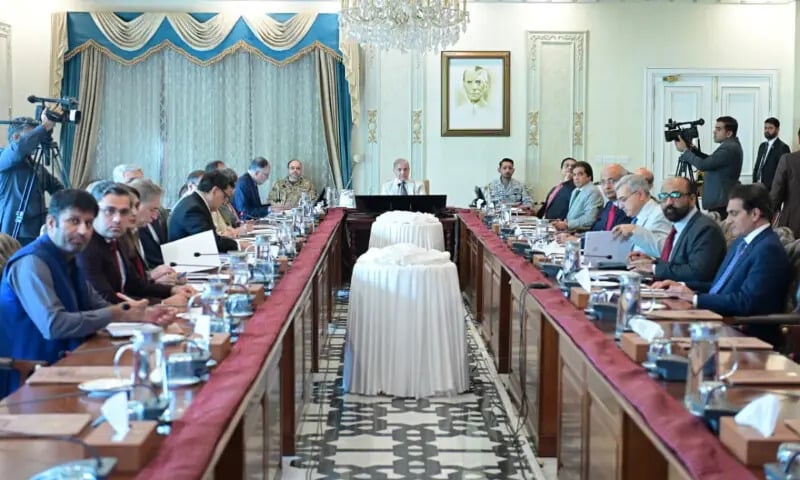
Prime Minister Shehbaz Sharif has approved a strategic roadmap for comprehensive reforms in Pakistan Railways. The decision matters because it aims to modernise transport infrastructure and improve national connectivity. Passengers, freight operators, and the broader economy are directly affected by the reforms.
The Prime Minister’s Office said Shehbaz Sharif chaired a high-level meeting in Islamabad on Thursday. He approved a detailed reform plan covering service improvements, digitisation, and track upgradation. Officials said the roadmap also focuses on financial sustainability and private-sector participation. The plan sets targets for increasing market share in passenger and freight transport.
The reform strategy includes governance improvements and expansion of railway networks. It also covers modern coaches, better passenger facilities, and upgraded infrastructure. The government plans to upgrade major lines including ML-1, ML-2, and ML-3. Officials said the reforms aim to enhance efficiency and service quality across the system.
اسلام آباد: 11 جون 2026۔
وزیراعظم محمد شہباز شریف کی زیر صدارت پاکستان ریلویز میں اصلاحات کے حوالے سے اہم اجلاس منعقد ہوا.
وزیراعظم نے پاکستان ریلویز میں جامع اصلاحات کے لئے اسٹرٹیجک روڈ میپ کی منظوری دے دی.
اجلاس سے گفتگو کرتے ہوئے وزیرِ اعظم نے کہا پاکستان ریلویز میں عوام… pic.twitter.com/Sw0hLUzTYq
— Prime Minister’s Office (@PakPMO) June 11, 2026
The roadmap also emphasizes public-private partnerships and increased investment in railway land. Authorities said private-sector involvement will help generate revenue for system upgrades. The Prime Minister directed hiring international experts to ensure effective implementation. He stressed that freight development remains a key priority for railway sustainability.
Meanwhile, the government said a modern rail system will reduce road traffic and carbon emissions. Officials linked the reforms to regional connectivity and economic growth objectives. The ML-1 project is expected to begin in July 2026 from Karachi Port. Further steps will be taken as part of long-term infrastructure development plans.