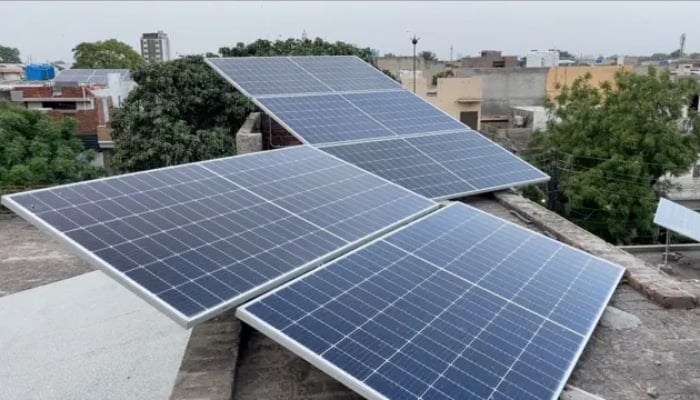
The International Monetary Fund has agreed not to proceed with a proposed increase in taxes on solar panels in Pakistan. The decision matters because it directly affects energy prices and household affordability. Consumers, importers, and the renewable energy sector are directly impacted by the move.
According to official sources, the agreement followed discussions between Pakistan and the IMF during budget preparations. Prime Minister Shehbaz Sharif played a key role in negotiations aimed at protecting public interests. As a result, the IMF agreed to withdraw the proposed tax increase on solar panel products.
Officials described the development as a major success for the government in budget negotiations. They said the decision would support the expansion of renewable energy adoption in the country. The move is expected to reduce pressure on consumers relying on solar energy systems. However, broader fiscal discussions between both sides are still ongoing.
Meanwhile, talks between Pakistan and the IMF continue on other taxation proposals. The real estate sector remains a key area of negotiation in the ongoing discussions. Authorities are reviewing potential tax adjustments and incentives under the upcoming budget. Further updates are expected as negotiations progress.