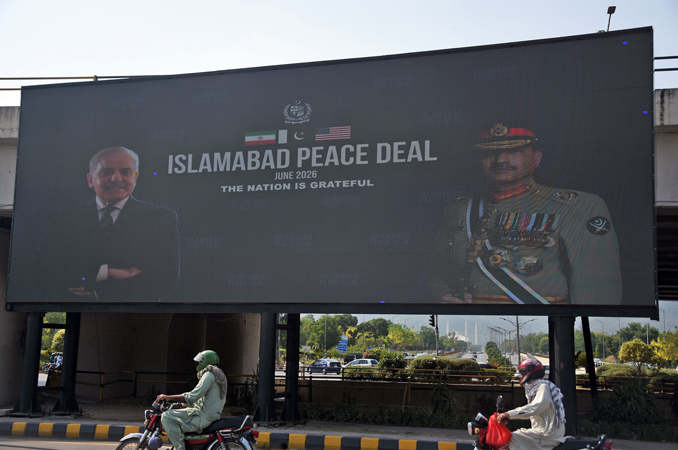
 Qatar has confirmed that it supported Pakistan-led mediation in the Iran-US peace process, a statement that has undercut Indian media attempts to minimise Islamabad’s role in one of the region’s most sensitive diplomatic breakthroughs.
“We are supporting the Pakistani-led mediation, working within the mediation team in support of the efforts of our brothers in Pakistan. We must praise the role Pakistan has played to get us to this point, and the role that they will play forward as the main mediator between the US and Iran,” Qatari Foreign Ministry spokesperson Dr Majed bin Mohammed Al Ansari said during a media briefing on Tuesday.
This clarification has come in the midst of fierce propaganda from Indian media seeking to project Qatar, rather than Pakistan, as the decisive power broker behind the proposed Iran-US understanding.
Indian outlets and commentators had in recent days tried to discredit Islamabad’s role, arguing that Pakistan had sought the spotlight while Doha had done the real work behind the scenes.
Officials in Islamabad view Qatar’s public position as a direct rebuttal of that narrative.
Dr Al Ansari emphasised, “The State of Qatar commends the mediation undertaken by Pakistan and the pivotal role it played as the principal mediator in this crisis.”
On Sunday, Prime Minister Shehbaz Sharif announced that Washington and Tehran had agreed on the wording of an agreement to end hostilities and reopen the Strait of Hormuz.
“Following intensive talks, we are pleased to announce that the Peace Deal between the United States of America and Islamic Republic of Iran has been REACHED,” Sharif said in a post on X.
At a separate briefing held in Islamabad on Tuesday, a security official declared, “This was a war won by FM Asim Munir through sincerity, competence, brilliance and Allahs Blessings for the greater good of humanity without actually being fought,” which is a pinnacle of strategy.” The official also credited Muslim-majority countries with showing what he called “masterly leadership, restraint and strategic patience” in helping avert a war, which could otherwise have pitted Muslim countries against one another.
Officials also noted that the crisis had also demonstrated the value of regional agency, with Pakistan, Qatar and other Muslim-majority states using diplomatic channels, calls and consultations to keep the process alive at a time of military escalation.
The congratulatory messages have since come from across the region and beyond. A Saudi cabinet meeting chaired by Crown Prince Mohammed bin Salman on Tuesday “welcomed the agreement reached between the United States of America and the Islamic Republic of Iran to end military operations…and expressed appreciation for the mediation efforts undertaken by the Islamic Republic of Pakistan and the State of Qatar in this regard.”
Pakistan’s contribution was also highlighted in the British Parliament during a House of Lords debate on the Middle East. Several peers acknowledged Islamabad’s efforts to encourage negotiations and support regional stability. Lord Ahmad of Wimbledon paid a heartwarming tribute to Pakistan’s role and said he was confident ministers and fellow members of the chamber would recognise its contribution to the peace process.
Speaking partly in Urdu, Lord Ahmad said, “Pakistan ka bohat bohat shukriya” (many thanks to Pakistan) while also thanking Qatar for its support.
Baroness Chapman of Darlington also acknowledged Pakistan’s role in helping bring the United States and Iran closer to dialogue.