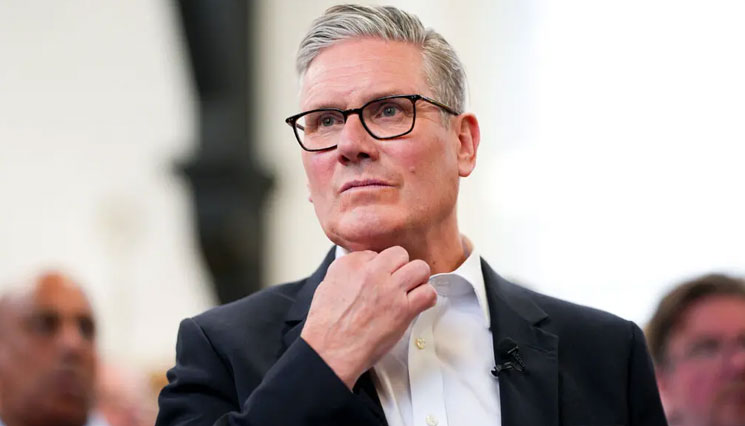
UK Prime Minister Keir Starmer has resigned after just two years in office, bringing an abrupt end to a leadership that began with a landslide election victory but ended amid internal party pressure and falling public support.
Starmer, who led the Labour Party to a historic parliamentary majority in 2024, announced on Monday that he would step down and oversee an orderly transition of power within the party. His resignation follows growing discontent among Labour lawmakers and a decisive by-election victory by rival Andy Burnham, who is now widely seen as the frontrunner to succeed him.
Once praised for offering stability after years of political turbulence in Britain, Starmer increasingly faced criticism for lacking a clear ideological direction. According to party insiders, his leadership style focused on pragmatic governance rather than a defined long-term vision, a strategy that later contributed to perceptions of indecision and weak political identity.
In an emotional address outside 10 Downing Street, Starmer said he had listened to concerns within his parliamentary party about his ability to lead the party into the next general election. He confirmed he would step aside in the interest of unity and stability.
During his tenure, Starmer’s government struggled to maintain momentum on key domestic issues, including economic growth, public services and immigration. Despite early optimism following the 2024 election win, policy setbacks, internal disagreements and declining approval ratings eroded his authority.
Within Labour ranks, tensions intensified as different factions pushed for a leadership change. Burnham’s recent electoral success strengthened his position, with some party members viewing him as a stronger communicator capable of reconnecting with voters and countering rising support for Reform UK.
Starmer, a former prosecutor who became Labour leader in 2020, initially restructured the party to improve its electoral appeal. However, analysts say the government struggled to translate its majority into a coherent governing agenda once in power.
His resignation marks another major shift in British politics, continuing a period of rapid leadership turnover in the UK following Brexit and years of political instability. Observers say the transition could reshape Labour’s direction ahead of the next general election.
A formal leadership contest is expected in the coming weeks as the party prepares to select its next prime minister.