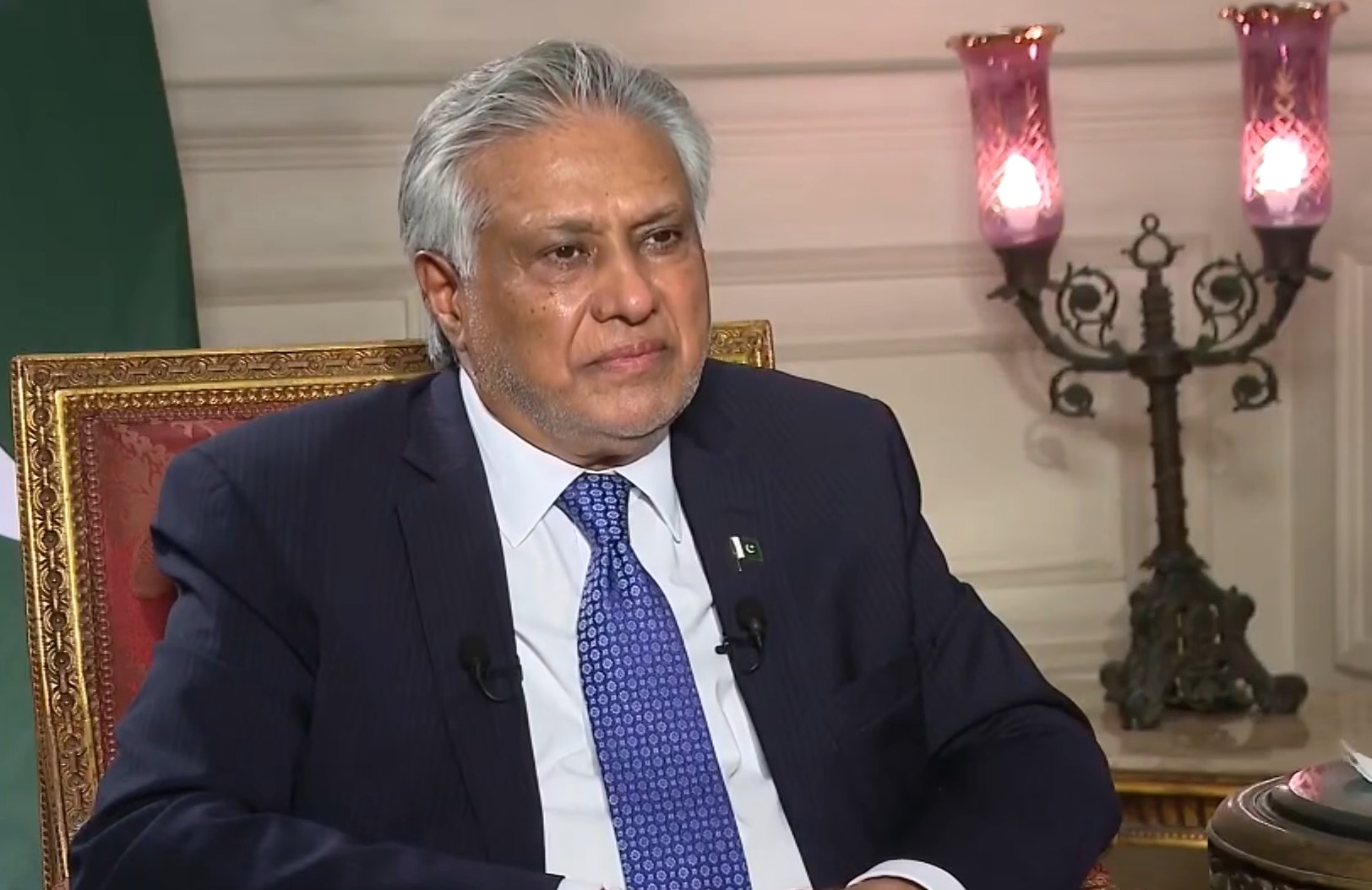
Deputy Prime Minister and Foreign Minister Ishaq Dar told the National Assembly that Pakistan played a key diplomatic role in helping facilitate a ceasefire between the United States and Iran. He said Islamabad acted as a trusted mediator throughout the negotiations and carefully protected confidential information shared by both sides. According to Dar, Pakistan maintained neutrality and helped create the trust necessary for direct engagement after decades of strained relations between Washington and Tehran.
Dar revealed that a major breakthrough occurred on the night of June 18 when diplomatic efforts entered their final stage. He said arrangements had been made for a formal signing ceremony in Geneva, but the agreement was ultimately signed electronically. According to him, US President Donald Trump signed the document during the G7 Summit in France, while the Iranian president and Prime Minister Shehbaz Sharif also formally endorsed the agreement.
Presenting a copy of the three-page agreement in parliament, Dar said the peace framework was designed in two phases. The first phase focused on reopening the Strait of Hormuz and easing immediate regional tensions, while the second phase involves technical negotiations. He explained that upcoming discussions will address Iran’s nuclear programme, sanctions relief, frozen assets and the situation in Lebanon, which remain key issues for a lasting settlement.
The foreign minister said progress in the second phase faced delays after renewed violence erupted in Lebanon. Nevertheless, he noted that Pakistan continued diplomatic engagement and contributed to the issuance of a joint declaration on June 22. Dar informed lawmakers that the declaration and related documents had been placed on the parliamentary record to ensure transparency and provide clarity regarding the peace process.
Highlighting the broader impact of the initiative, Dar said Pakistan’s role had enhanced its standing in international diplomacy. He argued that the country is increasingly being viewed as a constructive force for regional peace and stability rather than an isolated actor. He credited Prime Minister Shehbaz Sharif, the Foreign Office and Pakistan’s diplomatic team for helping prevent further bloodshed through sustained diplomatic efforts.
Dar also discussed economic and foreign policy developments, noting that easing tensions around the Strait of Hormuz had contributed to lower oil prices and improved economic confidence. He further announced that Pakistan will host the OIC Women’s Conference in July and assume the chairmanship of the Shanghai Cooperation Organization. According to him, Pakistan will also host a major SCO summit in 2027, strengthening its diplomatic profile on the global stage.