Iran launched renewed attacks on US-allied Gulf states on Saturday after a seventh consecutive night of US strikes on Iranian military targets. The escalation follows the collapse of a fragile ceasefire and has heightened concerns over regional security and global energy supplies.
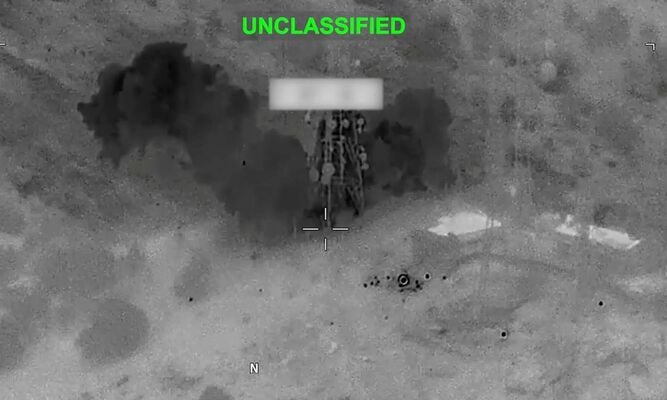
According to the US military’s Central Command (CENTCOM), American forces targeted surveillance sites, military logistics infrastructure, underground weapons storage facilities, and maritime capabilities across Iran. CENTCOM said fighter aircraft, drones, warships, and other military assets participated in the operation.
Read more: Iran accuses US of civilian infrastructure attacks
Iranian state media reported that Iranian forces struck US military targets in Kuwait and Jordan, including military bases, ammunition depots, fuel storage facilities, and communication infrastructure. The reports also said Iranian forces targeted vessels they claimed had violated navigation rules in the Strait of Hormuz. These claims have not been independently verified.
Meanwhile, the United States said it redirected, disabled, and boarded commercial vessels as part of its naval blockade operations. Iranian media also claimed two oil tankers caught fire after passing through a mined route south of the Strait of Hormuz, while the US military rejected the report as false.
The intensifying conflict has increased pressure on global energy markets. Oil prices rose more than 4% on Friday to their highest level in over a month as investors reacted to growing concerns over potential disruptions to shipping through the Strait of Hormuz, which carries about one-fifth of the world’s oil trade.
Read more: Trump signals broader Iran strikes as regional tensions deepen
The United Nations expressed concern over the escalating conflict. A spokesperson for Secretary-General Antonio Guterres said the UN was particularly worried about attacks on civilian infrastructure in Iran and across the wider region. Iranian media also reported damage to bridges, roads, power facilities, and water infrastructure following recent US strikes.
The latest exchange of attacks highlights the growing risk of a broader regional conflict involving Gulf states and international shipping routes. Diplomatic efforts to restore the collapsed ceasefire remain uncertain as both Washington and Tehran continue military operations.