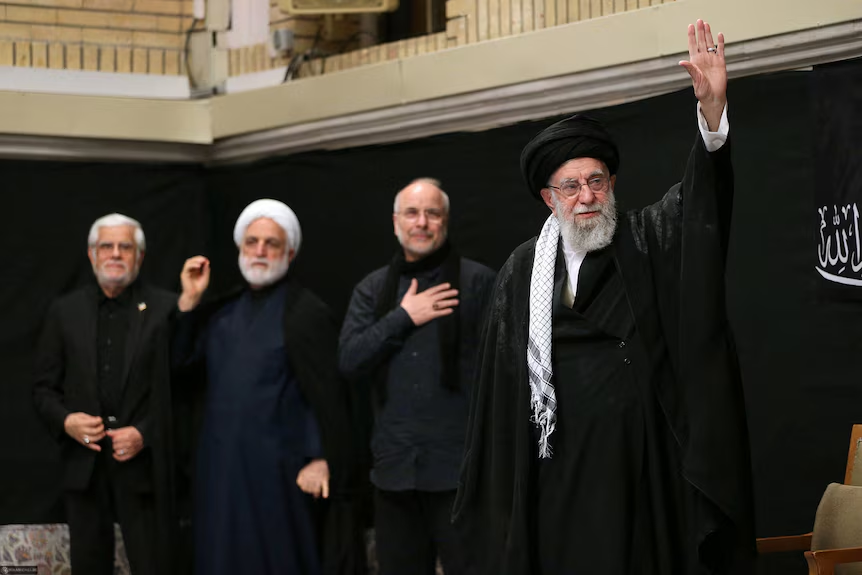
Iran’s Supreme Leader Ayatollah Ali Khamenei made his first public appearance on Saturday after weeks of staying out of sight during the recent air war with Israel. State television aired footage showing him attending an Ashura ceremony, where dozens of people stood and chanted as he entered a hall commonly used for major government events.
Khamenei had not been seen in public since the conflict began on June 13, a period marked by intense airstrikes that killed several top Iranian commanders and nuclear scientists. During that time, he only released pre-recorded video messages, reportedly staying in a secure location for safety reasons. His appearance now signals a return to normalcy in Tehran’s leadership activities.
In the video, Khamenei appeared calm and composed as he joined the ceremony marking Ashura, a sacred day for Shi’ite Muslims. The event was closely watched as a show of strength and stability amid rising tensions in the region. Attendees greeted him with religious chants and showed support for the leadership during the ongoing crisis.
Earlier on June 26, Khamenei addressed the nation through a pre-recorded message broadcast on state media. He declared that Iran would not surrender despite pressure from international powers, including a strong stance from U.S. President Donald Trump. His remarks were seen as defiant and aimed at rallying internal support.
The war, which lasted for 12 days, marked one of the most intense military confrontations between Iran and Israel in recent years. While both sides claimed to have achieved strategic goals, the conflict left a deep impact on Iran’s military leadership and raised concerns about regional stability. Khamenei’s reappearance may be an attempt to project confidence after the high-cost engagement.
Now that Iran’s top leader is back in public, analysts believe Tehran will refocus on strengthening its internal unity and addressing the aftermath of the air war. However, the global community continues to monitor the situation closely, especially amid fears of further escalation in the region.