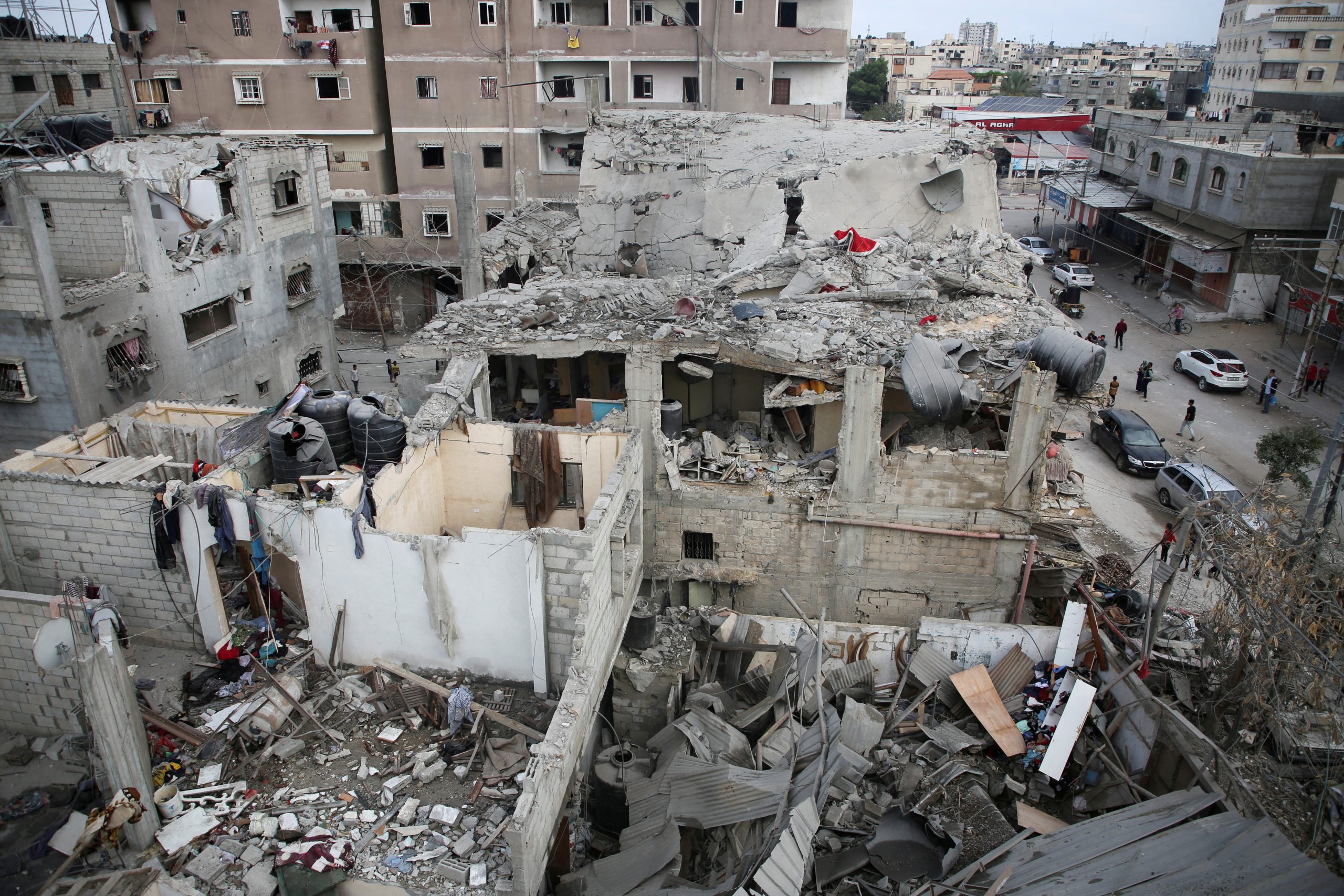
The proposed ceasefire, discussed in Doha, involved releasing half of the hostages held by Hamas in exchange for Palestinian prisoners. However, Israeli officials now argue that Hamas is not serious about reaching a deal, prompting calls for stronger military action. Netanyahu’s office has reportedly floated ideas such as seizing parts of Gaza or expanding military operations into areas not yet targeted.
While the political leadership is pushing for a more aggressive stance, Israel’s military is warning of potential risks to the remaining 20 hostages. Top army officials are concerned that further operations could endanger lives and lead to a prolonged conflict. Military chief Eyal Zamir has reportedly expressed frustration over what he sees as a lack of strategic direction from the government.
Some far-right Israeli ministers are also calling for even more drastic steps. They propose imposing military rule over Gaza and re-establishing Jewish settlements dismantled two decades ago. However, the army has consistently pushed back against such ideas, arguing they could lead to greater instability and long-term conflict in the region.
Meanwhile, international efforts continue to push for a diplomatic solution. Qatar and Egypt recently backed a joint declaration by France and Saudi Arabia supporting a two-state solution. The plan calls on Hamas to disarm and hand over control of Gaza to the Palestinian Authority. However, Hamas has rejected external pressure, saying any post-war governance must be agreed upon by Palestinians themselves.
Israel’s Foreign Minister Gideon Saar acknowledged that major gaps remain between both sides. He stressed that while Israel prefers a diplomatic end to the war, the final outcome must meet its key conditions—return of all hostages, disarmament of Hamas, and long-term security guarantees.