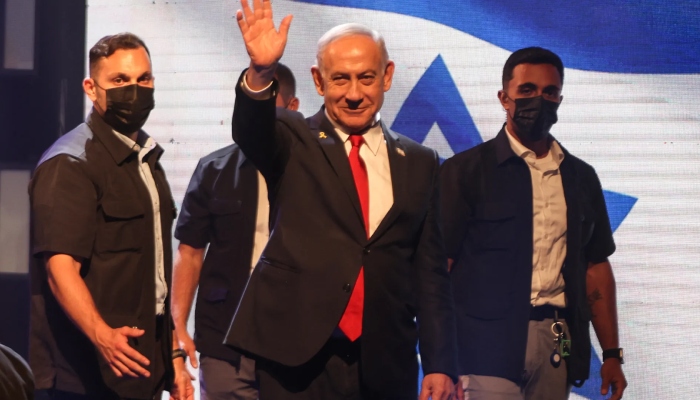
Israeli Prime Minister Benjamin Netanyahu signed a plan to expand settlements in the West Bank. The plan includes building 3,400 new homes for Israeli settlers. This move affects disputed land and faces strong criticism from Palestinians and international observers. Netanyahu clearly rejected the two-state solution and refused to recognize a Palestinian state. He said, “This land is ours, and no Palestinian state will be established here.”
The settlement expansion also involves separating much of the West Bank from East Jerusalem. Israeli authorities plan to link several settlements to strengthen control over the area. This project will change the region’s map and complicate peace efforts. Many view this expansion as a major barrier to negotiations between Israelis and Palestinians. The international community has widely condemned the plan.
Meanwhile, violence continues in Gaza, where Israeli airstrikes have killed over 72 Palestinians recently. Severe hunger and blockades have also led to the deaths of five Palestinians. The humanitarian crisis worsens as tensions rise between both sides. Aid groups warn of further suffering unless hostilities decrease soon. The ongoing conflict shows no signs of slowing.
Netanyahu’s decision fuels anger among Palestinians and further isolates Israel internationally. Palestinian leaders condemn the expansion as illegal and provocative. They say it destroys hopes for peace and threatens Palestinian rights. Several countries have called on Israel to halt settlement activities immediately. However, Israel insists on its right to develop these areas.
Netanyahu’s approval of settlement expansion deepens the conflict and dims hopes for a two-state peace solution. The situation remains volatile, with civilians bearing the brunt of violence. The international community urges restraint and a return to dialogue. Yet, the path to peace grows more difficult each day.