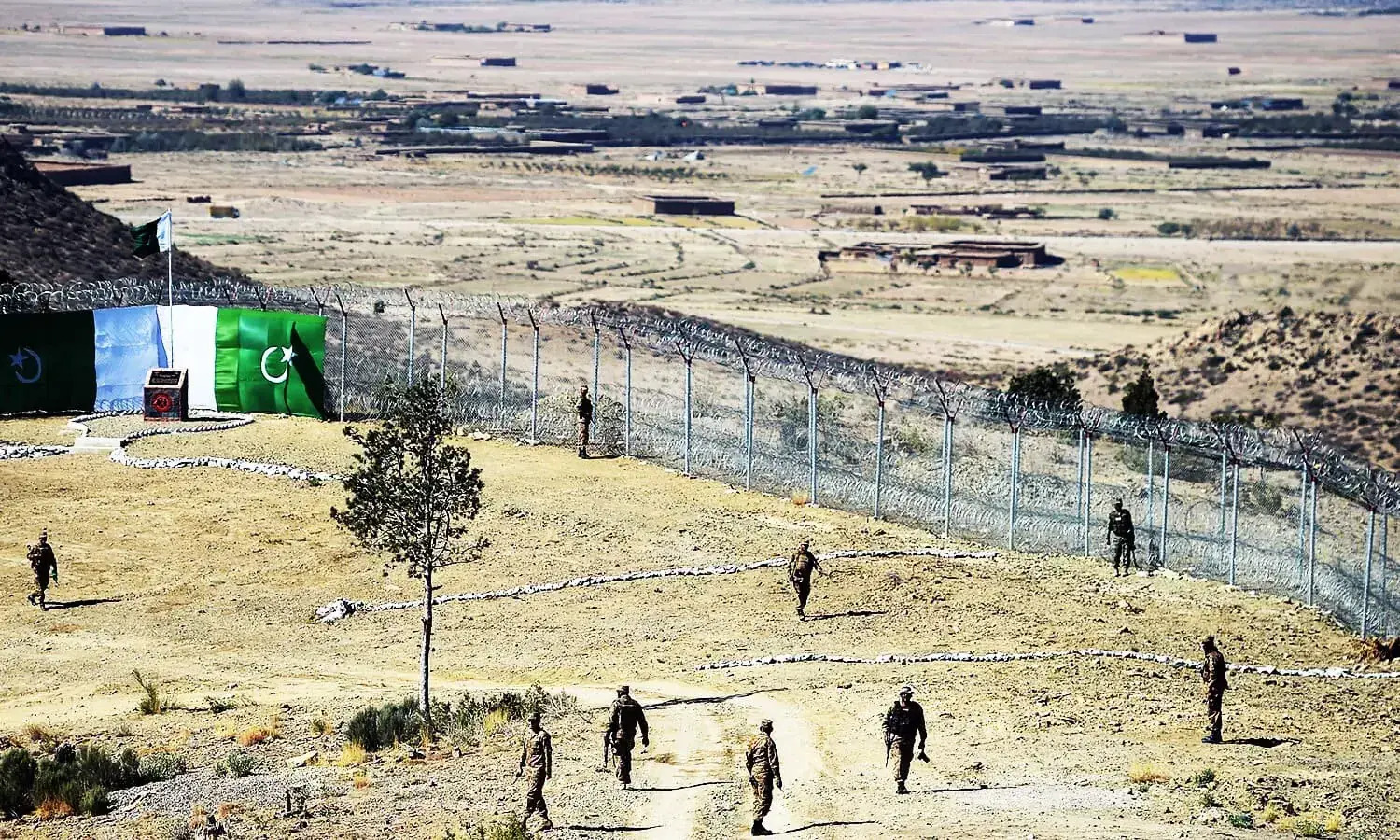
Pakistan and Afghanistan have agreed to continue their ceasefire after recent border clashes and rising tensions. Talks between delegations from both countries resumed in Istanbul with the help of Türkiye and Qatar. Earlier, the discussions had stalled due to Pakistan’s concerns over cross-border terrorist attacks. However, diplomatic intervention by Türkiye and Qatar revived the process. Both mediators expressed satisfaction with the progress and reaffirmed support for lasting peace in the region.
According to Türkiye’s Foreign Ministry, further details on the ceasefire will be discussed on November 6 in Istanbul. The meeting is expected to include both nations’ defense ministers, who led the earlier Doha talks. The joint statement also announced a plan to create a monitoring and verification system. This system will ensure compliance with the ceasefire and penalize any violations. The announcement marks a cautious but significant step toward rebuilding trust between the two neighbors.
Read more: Pakistan, Afghan Taliban to revive Istanbul talks for peace
Pakistan’s Defense Minister Khawaja Asif said there is now “a ray of hope” in the peace process. He confirmed that both sides are exchanging drafts for a final agreement. Asif praised Türkiye and Qatar for their mediation, calling them sincere and respected friends of Pakistan. He also said Pakistan values their guidance, especially given Türkiye’s past support on regional issues. His comments suggested optimism, though he acknowledged that challenges still remain.
The main point of disagreement has been Pakistan’s demand for action against Tehrik-i-Taliban Pakistan (TTP) and other militant groups. Pakistan insists Afghanistan must take clear and verifiable steps to stop attacks from its soil. Afghan officials argue they do not fully control TTP fighters, but they offered to arrest or deport any found in Afghanistan. Pakistan also urged the Taliban to formally declare TTP a terrorist group and condemn its violence. Despite limited direct contact, mediators helped both sides stay engaged.
Read more: COAS Munir: Pakistan seeks peace but will crush cross-border terror
Although the Istanbul agreement has eased tensions, experts say deep mistrust remains. Many view it as a framework for peace, not peace itself. Border clashes and mutual accusations have long strained relations between the two nations. Still, the renewed dialogue offers a chance to prevent further violence. If both sides honor their commitments and cooperate with mediators, this ceasefire could become a foundation for lasting stability in the region.