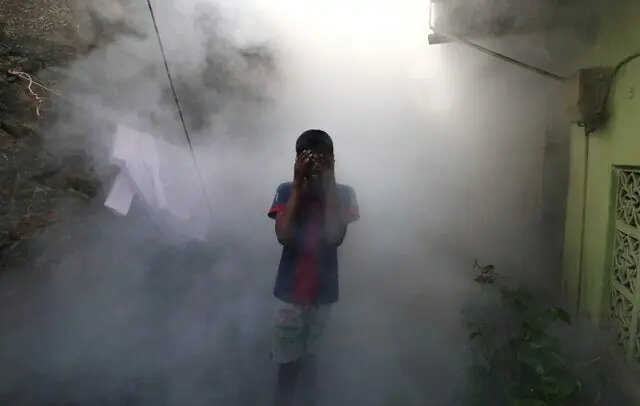
PESHAWAR: Dengue infections in Khyber Pakhtunkhwa (KP) have begun to decline with the dip in temperature, experts said on Thursday, while cautioning that the disease is expected to re-emerge next year following the same annual pattern.
Read More: Islamabad reports three new dengue cases
Officials reported 23 new cases on Tuesday, which dropped to eight on Wednesday and six on Thursday, with only one patient hospitalised. “The downtrend in dengue infections starts in November as cooler temperatures make it difficult for mosquitoes, the disease’s carriers, to survive,” experts explained.
KP has recorded 6,116 dengue infections this year, with four deaths, compared with seven fatalities in 2024. The province experiences dengue outbreaks from April to November, with cases peaking during the hot summer months when daily temperatures in Peshawar often exceed 45°C.
Dengue cases in Khyber Pakhtunkhwa have slowed with the arrival of cold weather, but health officials warn the decline is temporary. Incubation-driven cases are expected to continue, and persistent mosquito-breeding conditions are keeping the virus firmly entrenched across the… pic.twitter.com/2buqd3ewar
— Pakistan Connect (@Pak_Connect) November 27, 2025
Experts point to recurring structural issues that hinder prevention. Power outages force residents to store water in unsafe containers, creating breeding grounds for mosquitoes. Standing water pools, another major source of mosquito production, are often left untreated and unsprayed, compounding the problem.
The provincial government implements an annual “dengue action plan” under the supervision of the chief secretary, involving district administrations and multiple departments. Despite these efforts, dengue remains a recurring public health concern, as most interventions focus on hospitalisation and treatment rather than prevention.
Health officials stressed that a year-round focus on eliminating mosquito breeding sites is crucial. “Stopping mosquito breeding not only prevents dengue but also other vector-borne diseases such as malaria and leishmaniasis,” they said. Imported cases from Karachi and Punjab earlier this year contributed to the province-wide outbreak, exacerbated by favorable conditions for mosquito growth.
Read More: Dengue Cases Rise as Lahore Reports Three Deaths
Experts warned that without effective preventive measures, the “vicious cycle” of dengue outbreaks will continue annually, draining public resources and putting lives at risk despite government spending of about Rs40 million each year.