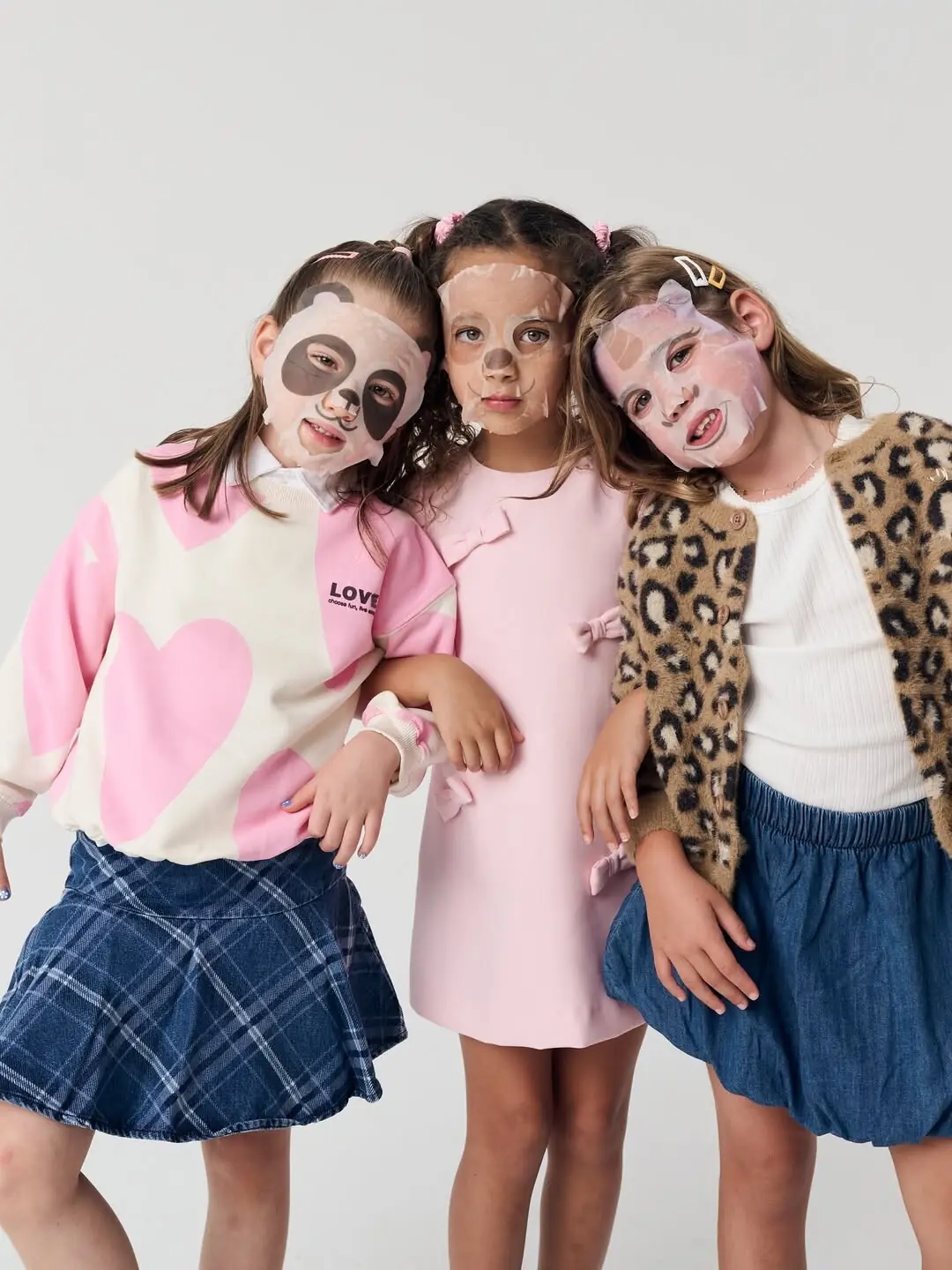
CHICAGO – Dermatologists are warning parents against giving children beauty face masks and other skincare products, even as a growing number of companies market cosmetics specifically to young kids. Products aimed at pre-teens and even toddlers, such as Rini’s hydrating masks and Evereden’s face mists and moisturisers, are becoming increasingly popular online.
Read More: Pakistan’s organic skincare movement gains global ground
Canadian actor Shay Mitchell recently backed Rini, a brand targeting children as young as three. Its “Puppy,” “Panda,” and “Unicorn” masks sell for around $35 for a bundle of five. Meanwhile, American YouTuber Salish Matter’s teen-focused brand “Sincerely Yours” drew massive crowds at a mall launch in New Jersey.
Experts say these products are unnecessary and potentially harmful. Laurence Coiffard, a researcher at the University of Nantes in France, said, “Children’s skin does not need cosmetics apart from daily hygiene products — toothpaste and shower gel — and sun cream.” He cited studies linking early cosmetic use to higher risks of allergies, as well as exposure to endocrine disruptors and phytoestrogens that can affect hormone development.
Should children be using beauty face masks? Dermatologists say no, but a growing number of companies are targeting a new generation of kids who have grown up with TikTok skincare and make-up routines. https://t.co/Y5t0lgjWlt pic.twitter.com/MxmTORVC3n
— AFP News Agency (@AFP) November 28, 2025
The trend is fueled by social media. Many Gen Alpha girls, born between 2010 and 2024, emulate TikTok or YouTube influencers through elaborate skincare and makeup routines. Dermatologist Molly Hales at Northwestern University posed as a 13-year-old on TikTok and observed children using multiple adult products daily. In one case, a child applied 14 different products and developed a burning rash.
“Get Ready with Me” videos, popular among children, often feature six or more products, including adult anti-ageing creams, Hales said. Some brands, such as Glow, Drunk Elephant, and The Ordinary, market themselves as safer alternatives, but experts caution that the chemical composition of most skincare products still poses risks for children.
Read More: Beauty experts reveal secret tips on how to look and feel like a royal on a budget
Health professionals advise parents to limit children’s cosmetic use to basic hygiene and sun protection and to be vigilant about the influence of social media marketing on young audiences.