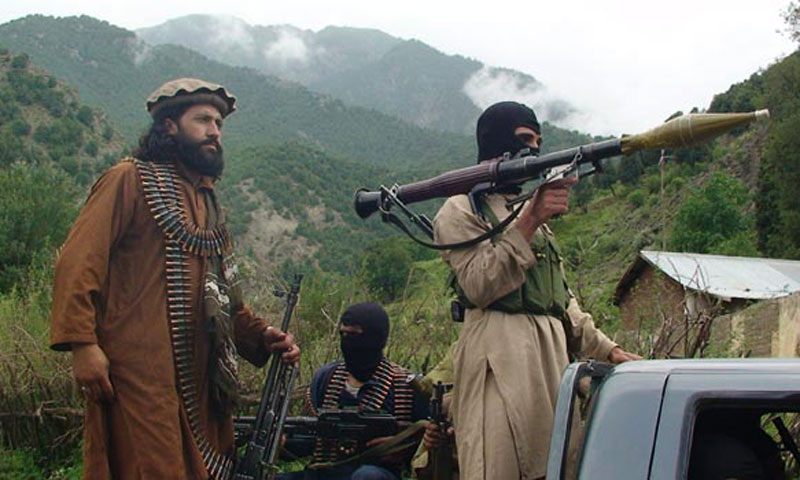
The International Crisis Group (ICG) has identified Pakistan as the country worst affected by the Taliban’s 2021 takeover of Afghanistan, warning that Islamabad may launch further strikes if cross-border militant attacks continue. The Brussels-based think tank noted that, while a ceasefire holds for now, tensions remain high due to the Taliban’s refusal to act against Tehreek-i-Taliban Pakistan (TTP) elements operating from Afghan territory.
Read More: Afghan Taliban Harbours terrorists, warns Pakistan army chief
Violence in Pakistan has surged since 2022, with militants killing more than 600 Pakistani soldiers and police in 2025 alone, mostly in Khyber Pakhtunkhwa and Balochistan. Islamabad holds the banned TTP and Baloch insurgent groups responsible for these attacks, accusing the latter of receiving backing from India.
The ICG report highlights Islamabad’s prior cross-border retaliation, including airstrikes on Afghan territory targeting TTP chief Noor Wali Mehsud following the killing of 11 Pakistani military personnel in October 2025. Afghanistan responded with attacks on Pakistani military installations, resulting in casualties on both sides. The think tank cautioned that any future militant strikes traced to Afghanistan could provoke another Pakistani military response.
The Taliban regime, though outgunned, retains the capability to retaliate, including missile strikes, which could escalate conflict further. Pakistan’s relations with its neighbors, particularly Afghanistan and India, remain fragile, and further attacks could destabilize the tenuous calm in the region.
Read More: Pakistan says some Taliban facilitating movement of militant groups
The report also highlighted broader global conflicts in 2026, noting that the return of US President Donald Trump has added unpredictability. While Trump has focused on peacemaking in several regions, the report observed that his interventions have sometimes worsened tensions and that global turmoil remains high despite his diplomatic efforts.
Overall, the ICG stressed that Pakistan faces acute security challenges stemming from the Taliban’s stance on the TTP, while the regional balance of power and ongoing militancy pose continuing risks to stability.