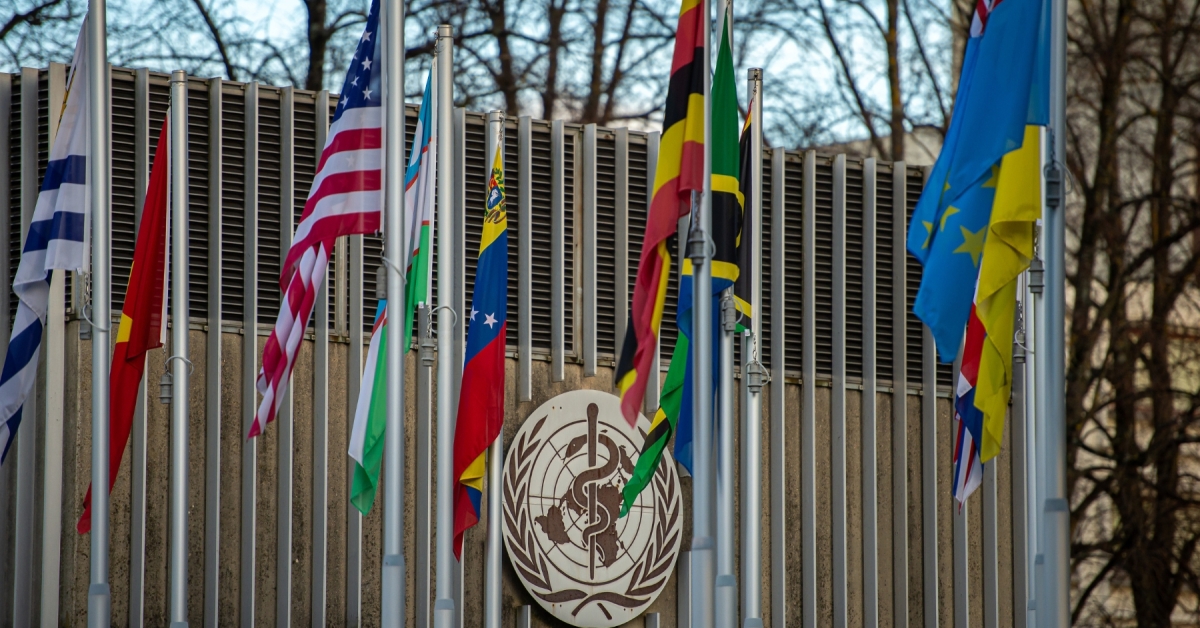
The United States is set to officially leave the World Health Organization on Thursday, raising serious concerns over both domestic and international health collaboration. Moreover, the move comes amid warnings that it may violate US law, as the country has yet to pay $260 million in outstanding WHO fees. Experts say the exit could disrupt global disease monitoring and response systems, affecting millions worldwide. The decision highlights tensions between national policy and international health obligations.
President Donald Trump first announced the US withdrawal on the first day of his 2025 presidency through an executive order. Under US law, a one-year notice and full payment of owed contributions are required before leaving. Despite this requirement, the US has not yet cleared dues for 2024 and 2025, leaving legal questions unresolved. The situation has prompted debate over whether the administration can legally bypass these obligations.
Read more : Why the US pulled back from planned Iran strikes?
A State Department spokesperson defended the decision, citing the WHO’s “failure to manage, contain, and share information,” which they claimed cost the US trillions of dollars. The spokesperson added that the president had exercised his authority to halt future US funding, support, or resources for the organization. This action reflects frustration with the agency’s performance, but critics argue it undermines global cooperation.
Global health leaders, including WHO Director-General Tedros Adhanom Ghebreyesus, have urged the US to reconsider its decision. Tedros warned that withdrawing from the WHO would be a loss for both the United States and the international community. In addition, Bill Gates, chair of the Gates Foundation, emphasized that the world continues to need the WHO to coordinate disease prevention and control worldwide.
Read more : US invites global powers to join Gaza ‘Board of Peace’
The US exit has already caused a budget crisis at the WHO, forcing the agency to cut programs, reduce its management team by half, and plan for the layoff of roughly a quarter of its staff by mid-2026. Washington has historically been the largest contributor, providing about 18% of the WHO’s overall funding. Analysts warn that these reductions will weaken the organization’s ability to respond to global health emergencies.
Experts say that without US participation, international systems for detecting and combating health threats could suffer significant setbacks. Furthermore, the departure may strain collaboration with other countries, disrupt vaccine distribution, and increase vulnerability to pandemics. While the move is politically driven, public health officials warn of tangible risks for both global and domestic populations. Strengthening alternative systems may take years to offset these effects.