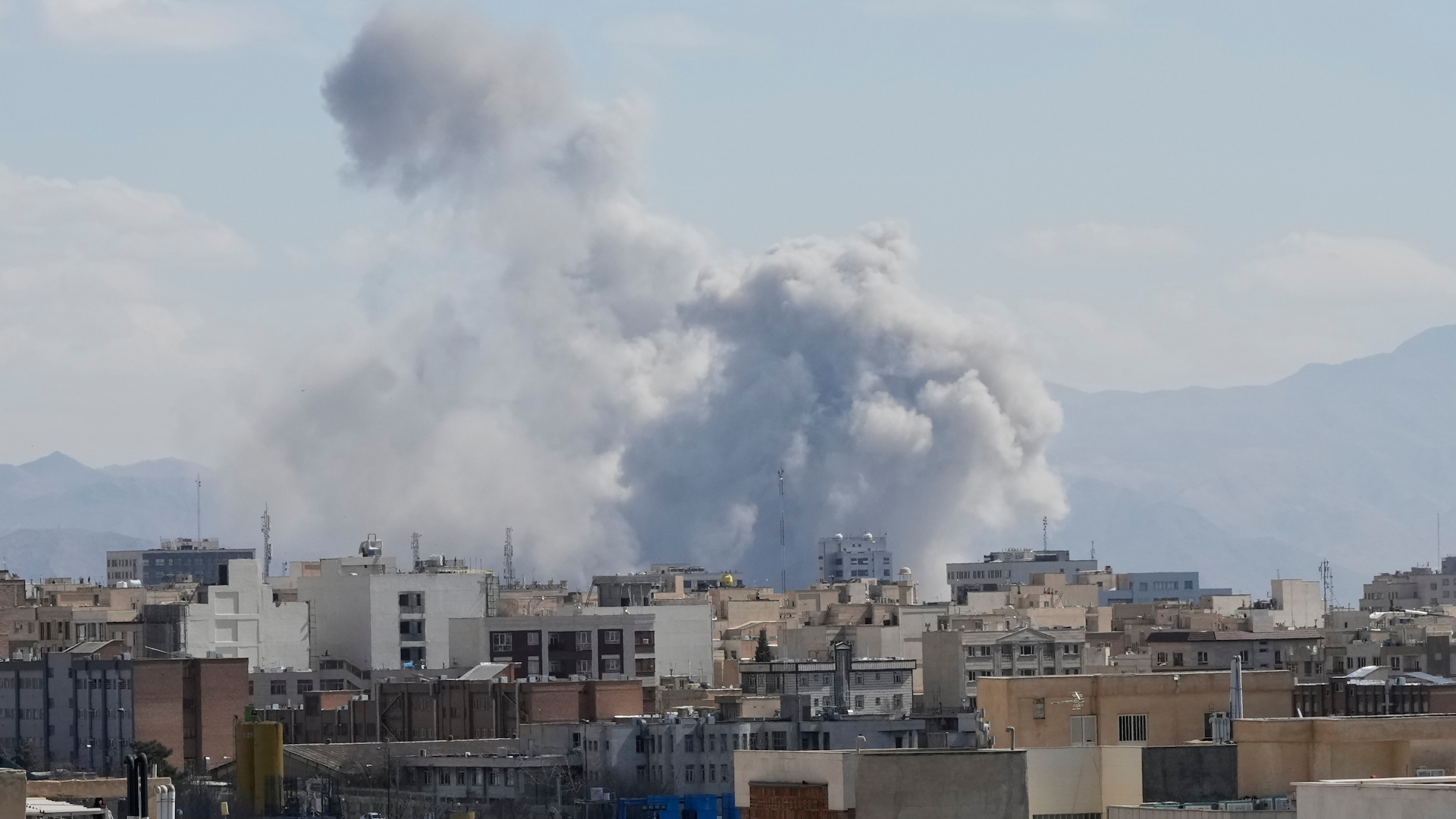
The US military announced its first casualties in the ongoing conflict with Iran, marking a new phase in President Donald Trump’s major combat operations. Three American troops were killed and five others seriously wounded, while several more suffered minor injuries. The fatalities reportedly occurred at a US base in Kuwait, and all personnel were immediately provided medical care. Officials stressed that investigations are ongoing to understand the circumstances behind the casualties.
Since Saturday, US aircraft and warships have struck over 1,000 Iranian targets, including hardened missile facilities, underground depots, and naval assets. President Trump reported that 48 Iranian leaders had been killed and nine warships destroyed, signaling an aggressive military campaign. B-2 stealth bombers dropped 2,000-pound bombs on strategic Iranian installations, while additional strikes are expected in the coming days. The US has framed the operations as both punitive and preventive measures.
Read more : Iran holds funeral, names interim leaders amid ongoing war
Trump warned Americans to brace for more casualties as the conflict continues, calling the losses a solemn reminder of the costs of war. In a public address, he emphasized that America would avenge its fallen troops and deliver decisive action against those threatening global security. US officials described the strikes as part of a sustained multi-day campaign, potentially lasting up to four weeks, aimed at degrading Iran’s military capabilities.
Iran has responded with counterattacks and vowed resilience. Its foreign minister highlighted lessons learned from previous US military engagements in the region, asserting that bombings in Tehran would not weaken Iran’s ability to defend itself. Iranian forces reportedly targeted US and allied military installations across the Gulf, including missile strikes and drone operations, reflecting a calculated escalation of hostilities in response to US actions.
Read more : Iranian drone strikes British air base in Cyprus, minor damage
Public opinion in the US shows significant division over the strikes. A recent poll revealed that only 27% of Americans support the military operations, while 43% disapprove and 29% remain unsure. Lawmakers and analysts debated the effectiveness of air strikes for achieving regime change in Iran, with some arguing that destabilizing the leadership depends on internal dissent and loyalty within Iranian security forces. The conflict continues to create political and economic uncertainty globally.
Trump has called on the Iranian population to consider regime change, while officials from both sides weigh diplomatic and military options. Experts caution that the evolving situation could lead to broader regional instability, affecting trade, energy markets, and international relations. US lawmakers emphasized the need for careful planning and assessment to avoid unintended escalation while sustaining pressure on Iran’s military leadership.