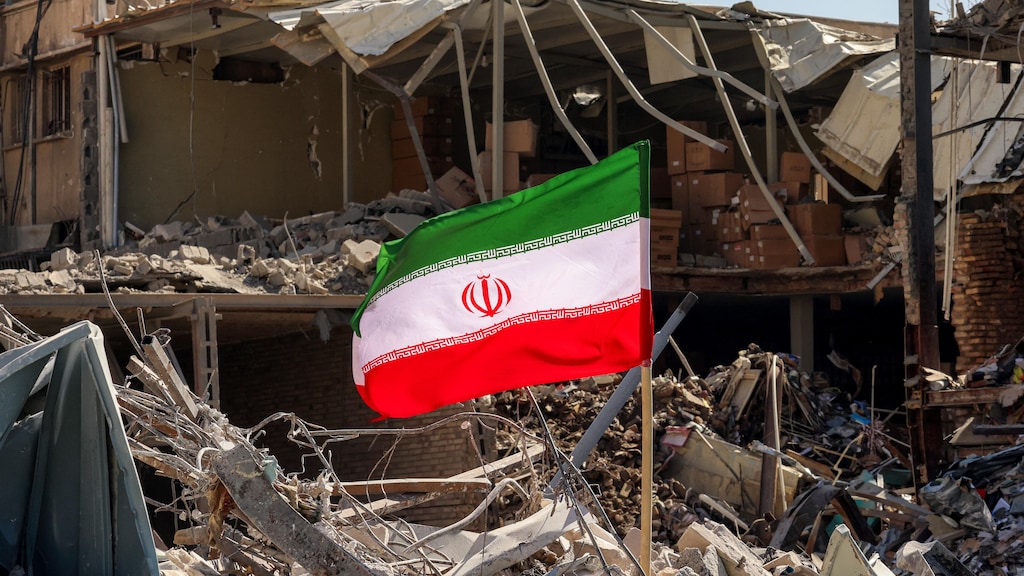
More than 150 Iranian nationals, including diplomats and their families, left Lebanon on Saturday amid rising tensions in the Middle East, according to a senior Lebanese security source. Officials confirmed that the group departed following increased military warnings and escalating hostilities in the region.
The security source said the evacuees were flown to Russia on a Russian aircraft, highlighting coordinated travel arrangements during the crisis. In addition, about 20 more Iranians had already left on Friday after renewed fighting began between the armed group Hezbollah and Israel.
Read more : US probes possible strike on Iranian girls’ school
Earlier in the week, an Israeli military spokesperson warned Iranian representatives still present in Lebanon to leave immediately to avoid becoming targets. This warning followed heightened security operations and repeated exchanges of threats between regional actors involved in the widening conflict.
Meanwhile, Iran’s President Masoud Pezeshkian announced that a temporary leadership council approved suspending attacks on neighboring countries unless those nations directly strike Iran. He clarified that Tehran does not intend to target other states and expressed regret for recent incidents affecting nearby regions.
Read more : Iranian president Pezeshkian calls Khamenei martyred a historic …
Pezeshkian also firmly rejected demands for surrender, stating that Iran will not give up its weapons under pressure from the United States or Israel. His remarks came after Iranian forces launched retaliatory strikes on U.S. military installations in neighboring countries, intensifying the confrontation across the Gulf and surrounding areas.
The broader conflict has already caused significant casualties and diplomatic strain, with military exchanges spreading beyond the main battlefield. As a result, regional governments are increasing security measures, while international observers warn that further escalation could deepen instability and affect both civilian safety and political relations.