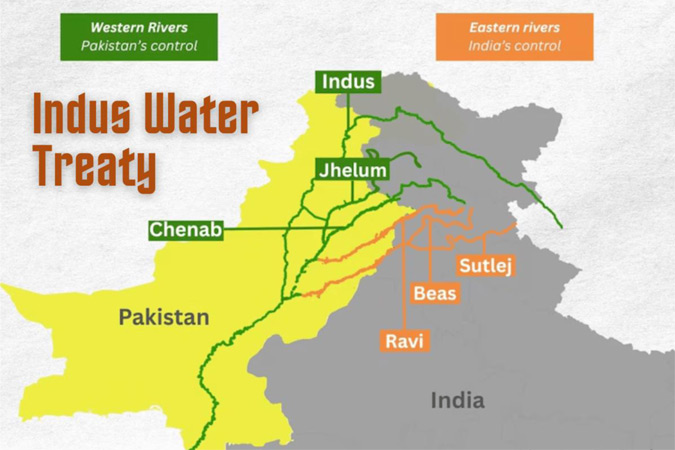
 For over six decades, the Indus Waters Treaty (IWT) of 1960 stood as a global benchmark for transboundary water governance. It survived three major wars, numerous border skirmishes, and decades of diplomatic frost. However, a series of recent unilateral actions by India, ranging from legal suspensions to massive upstream infrastructure expansion, has pushed the treaty to a breaking point. This shift represents a transition from managed sharing to water weaponization, placing the food security and physical survival of millions in Pakistan at unprecedented risk.
Illegal Abeyance and the Death of Pacta Sunt Servanda
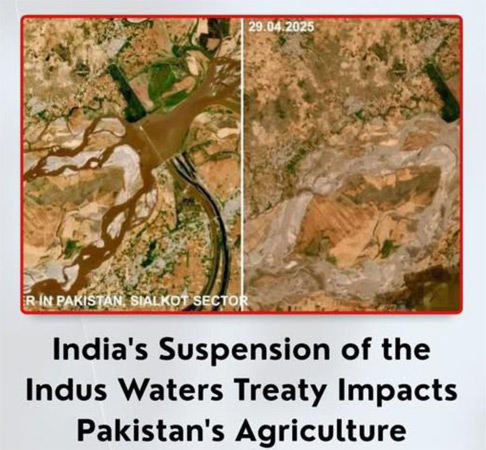
The current crisis is rooted in India’s unilateral move to hold the IWT in abeyance. Under international law, specifically the principle of pacta sunt servanda (agreements must be honored in good faith), there is no provision for a state to unilaterally suspend a binding treaty outside of its established dispute resolution mechanisms.
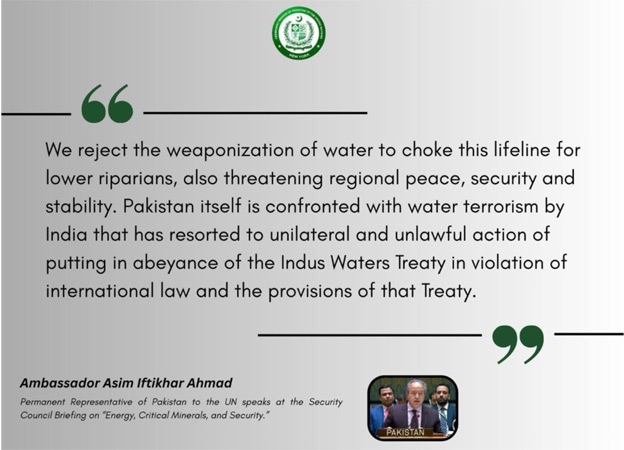
By attempting to bypass the Permanent Court of Arbitration (PCA) and the office of Neutral Experts, New Delhi is striking at the heart of treaty credibility. This legal departure creates a vacuum of predictability. For a downstream state like Pakistan, water is not just a commodity; it is the foundational infrastructure of the state. When the legal guarantees of the IWT erode, the uncertainty does not remain confined to diplomatic corridors; it flows directly into the irrigation channels that feed the world’s largest contiguous irrigation system.
The $60 Billion Escalation
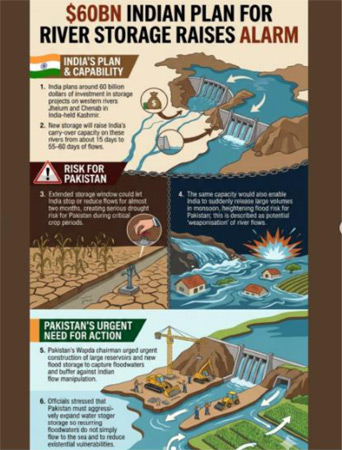
The most tangible evidence of this strategic shift is India’s reported $60 billion expansion of storage capacity on the Jhelum and Chenab rivers. While the IWT unequivocally allocated these western rivers to Pakistan, it allowed India run-of-the-river use for hydroelectricity. However, the current expansion plans fundamentally alter this balance.
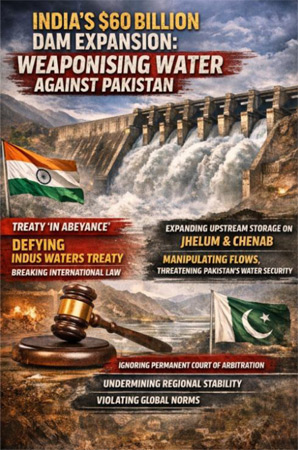
India is moving to expand upstream storage from a roughly 15-day capacity to nearly two months (55-60 days).
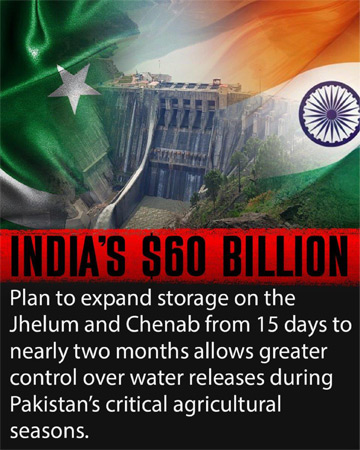
This enhanced holding capacity grants New Delhi the ability to manipulate flow timing. By withholding water during the critical Rabi (winter) sowing season, India can induce artificial scarcity, leading to catastrophic crop failures in Pakistan’s breadbasket. Conversely, the ability to store vast volumes of water creates the risk of “concentrated releases” during monsoon peaks. Such strategic discharges could turn natural seasonal surges into man-made disasters for downstream populations.
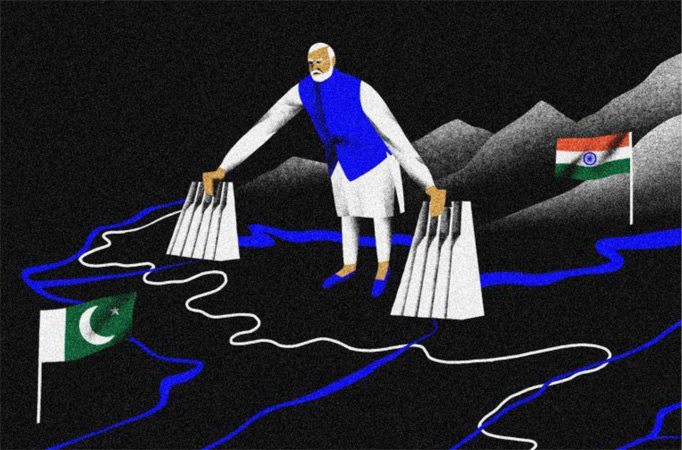
This hydrological infrastructure is no longer merely about energy; it has become a geopolitical lever, allowing an upstream riparian to exert “hydro coercion” over the lower riparian’s economy and stability.
The Human Cost: From Canals to Kitchens
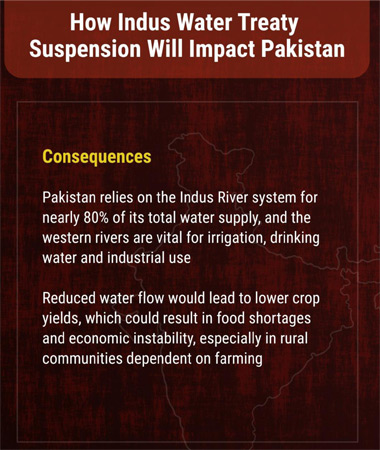
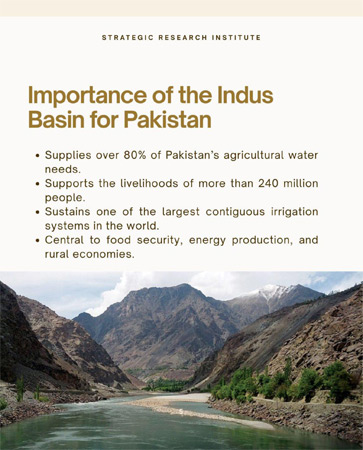
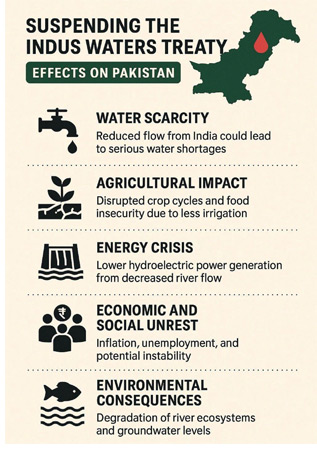
The human cost of this treaty disruption is often lost in technical jargon, but its reality is stark for the rural communities of Pakistan. The unpredictability of the Indus Basin system acts as a multiplier of vulnerability, particularly in the face of climate change and melting Himalayan glaciers.
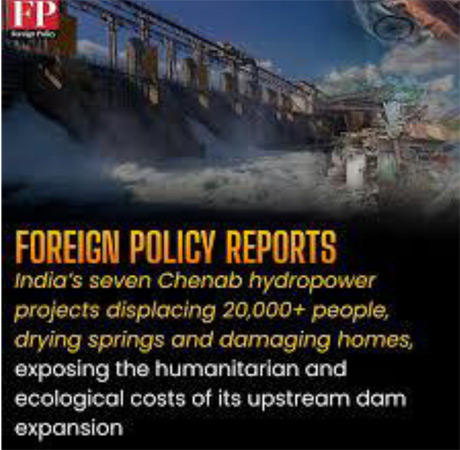
Pakistan’s economy is calibrated to seasonal river flows. Even a short-term interruption in the Jhelum or Chenab can cascade into total crop failure, rising debt cycles for smallholder farmers, and forced livelihood shifts as rural populations migrate toward already overcrowded cities.
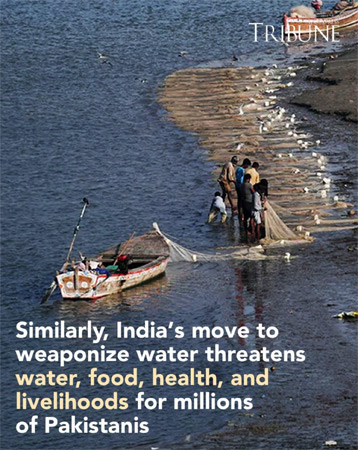
As yields decline due to water uncertainty, food prices fluctuate wildly. For the most vulnerable, this means a reduction in food diversity and a direct increase in malnutrition rates among women and children.
Water stability is synonymous with public health. Reduced flow reliability strains drinking water access and sanitation systems, heightening the risk of water borne diseases and poor hygiene in provinces that rely on these river systems.
Diplomatic Defiance by India
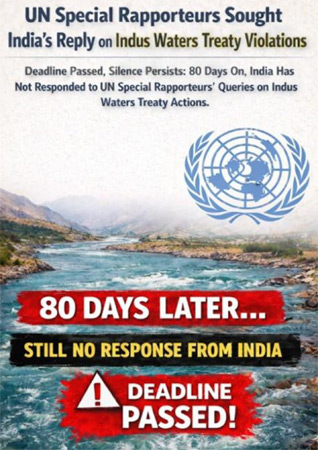
Despite the escalating tension, India has adopted a posture of “procedural disengagement.” A significant flashpoint occurred on October 16, 2025, when United Nations Special Rapporteurs issued a report raising specific queries regarding India’s actions inconsistent with the IWT.
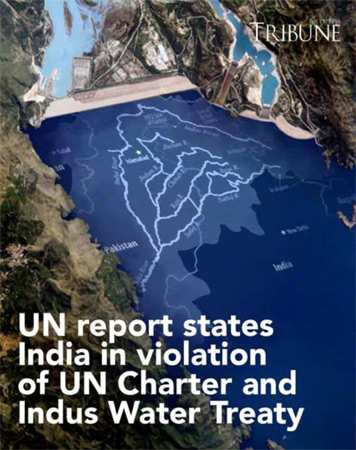
The UN set a deadline of December 16, 2025, for a formal response. As of March 2026, that deadline has been passed for over 80 days without a substantive reply from New Delhi. This silence is not merely a diplomatic delay; it is emblematic of a broader pattern of rejecting international legal accountability. By prioritizing domestic political optics over responsive engagement with UN mechanisms, India is undermining the very arbitral and multilateral forums intended to prevent regional conflict.
A Dangerous Global Precedent
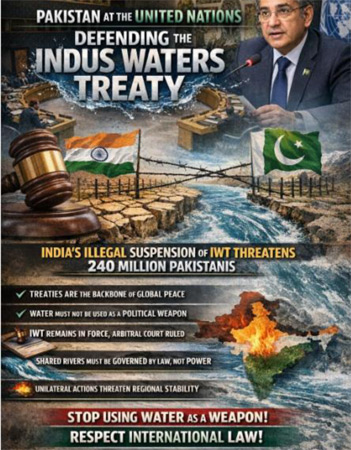
The implications of the IWT’s collapse extend far beyond the South Asian subcontinent. The treaty has long been cited as a global model for how hostile nations can share vital resources. If India is permitted to hold the treaty in abeyance unilaterally and ignore UN queries with impunity, it sets a destabilizing precedent for other transboundary basins worldwide, from the Mekong to the Nile
Final Words
The real cost of unlawful treaty disruption is measured in lost harvests, weakened health resilience, and deepening poverty. Respect for binding agreements like the IWT is not a matter of symbolic diplomacy; it is the thin institutional line protecting regional stability from cascading human distress.

The Indus Waters Treaty is more than a document; it is a lifeline. To allow its erosion is to invite a humanitarian crisis that no amount of late-stage diplomacy will be able to contain.