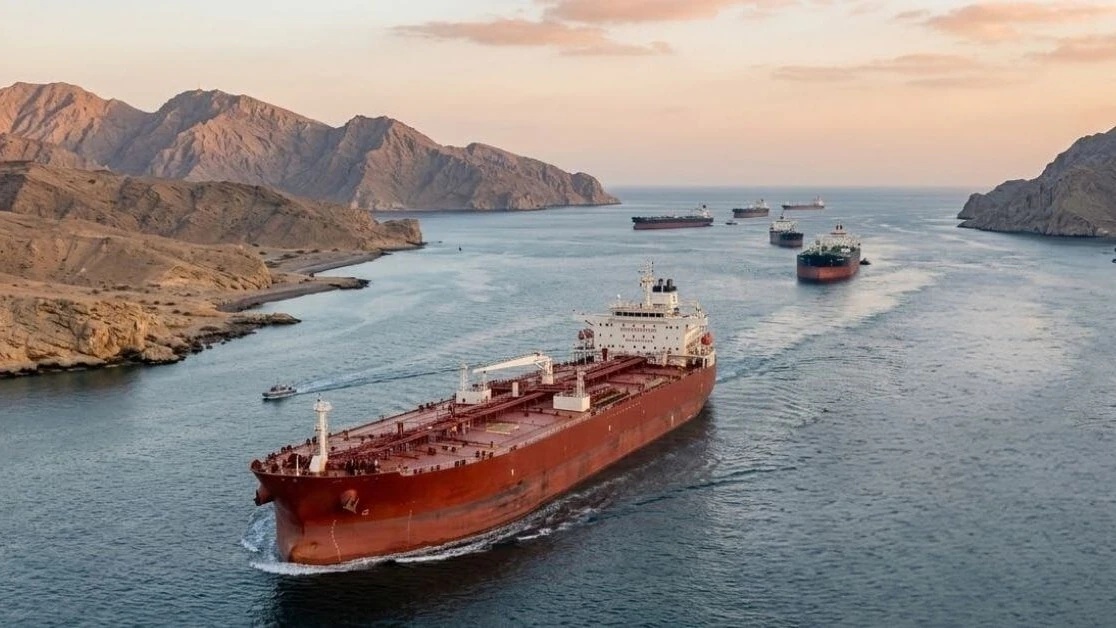
DUBAI — Gulf oil producers have suffered a staggering $15.1 billion in lost energy revenues since the escalation of US and Israeli strikes on Iran, as millions of barrels of crude oil have been stranded due to the near-shutdown of the Strait of Hormuz, the Financial Times reported.
Read More: Iran allows two Indian LPG tankers to cross Strait of Hormuz
Commodity analytics firm Kpler estimates the Strait, a vital global energy corridor, typically handles about $1.2 billion worth of crude, refined products, and liquefied natural gas (LNG) each day. Since the conflict intensified on February 28, shipping traffic has slowed to a near standstill, exacerbated by Iran’s attacks on vessels and surging insurance premiums.
Crude oil makes up the largest portion of stranded shipments, accounting for 71% of the total value. Saudi Arabia, the world’s largest oil exporter, has been the most affected, with $4.5 billion in lost revenues. The kingdom plans to increase exports via the Red Sea to mitigate losses, though analysts caution the East-West pipeline has never operated at full capacity.
Iraq, which relies on oil for 90% of government revenue, is among the most vulnerable, while Kuwait and Qatar have significant sovereign wealth funds to cushion short-term shocks. Kpler reported that at least $10.7 billion worth of crude, refined products, and LNG cargoes remain stuck, some of which were sold under long-term contracts with payments expected within 15–30 days.
QatarEnergy, the country’s state-owned energy company, has lost around $571 million in revenue since halting production on March 2, excluding potential delays in new projects. Collectively, Gulf producers including Saudi Arabia, Iraq, the UAE, Kuwait, and Bahrain have deferred $13.3 billion in sales and tax revenues.
Read More: Iran says Strait of Hormuz will remain open
Analysts warn that while producers may partially offset losses through higher prices, consumers—particularly motorists—are likely to bear the brunt of rising costs. The disruption underscores the fragility of global energy markets amid escalating Middle East tensions.