Donald Trump has extended the ceasefire with Iran, citing a request from Pakistan and the need to give Tehran more time to present a “unified proposal” for negotiations.
Read More: Trump Says Iran Deal Will End Conflict Without Extension
The announcement delays the end of a two-week truce and keeps diplomatic channels open, even as tensions remain high. Trump said the extension would remain in place until Iran submits its proposal, while emphasizing that military readiness would be maintained.
Despite the ceasefire, the United States will continue its blockade of Iranian ports, a key sticking point in the standoff. Trump argued that lifting restrictions — particularly around the strategically vital Strait of Hormuz — could weaken leverage in negotiations. He claimed Iran risks significant financial losses if the waterway remains closed, describing the blockade as necessary to push forward a deal.
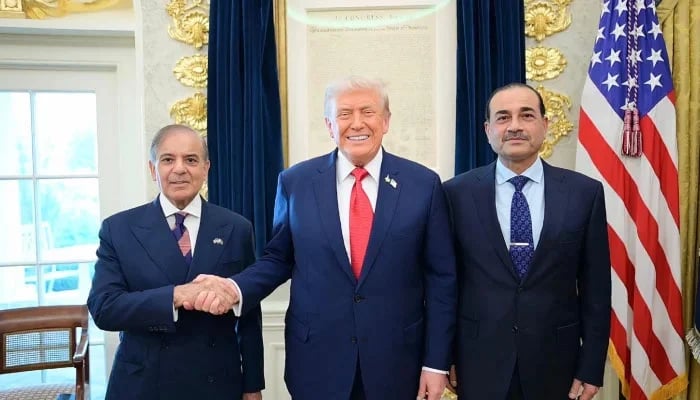
On the request of Pakistan Army Chief Field Marshal Asim Munir and Pakistan Prime Minister Shehbaz Sharif the US President Donald Trump has extended the ceasefire
The extension is open-ended
Till such time Iran presents its proposals and discussions are concluded pic.twitter.com/9TDOPZThbH
— omar r quraishi (@omar_quraishi) April 21, 2026
Pakistan has played a mediating role in recent talks, with Prime Minister Shehbaz Sharif welcoming the extension. The move has also been supported by United Nations Secretary-General António Guterres, who described it as a step toward de-escalation.
However, uncertainty persists as Iran has yet to formally respond to the extension. Earlier, Tehran warned it could target regional oil facilities if hostilities resumed. Analysts suggest Iran’s cautious stance may be aimed at gaining leverage in negotiations.
Meanwhile, planned diplomatic engagements have been affected. A visit by US Vice President JD Vance to Pakistan was postponed pending Iran’s response. Security measures in Islamabad were also heightened amid expectations of talks.
On a parallel front, separate ceasefire discussions involving Israel and Lebanon are scheduled in Washington, reflecting broader efforts to stabilise the region.
Read More: Iran Refuses US Conditions as Ceasefire Extension Sparks Debate
While markets have shown tentative optimism, the path toward a lasting agreement remains uncertain. The coming days are expected to be critical in determining whether diplomacy can prevail over confrontation.