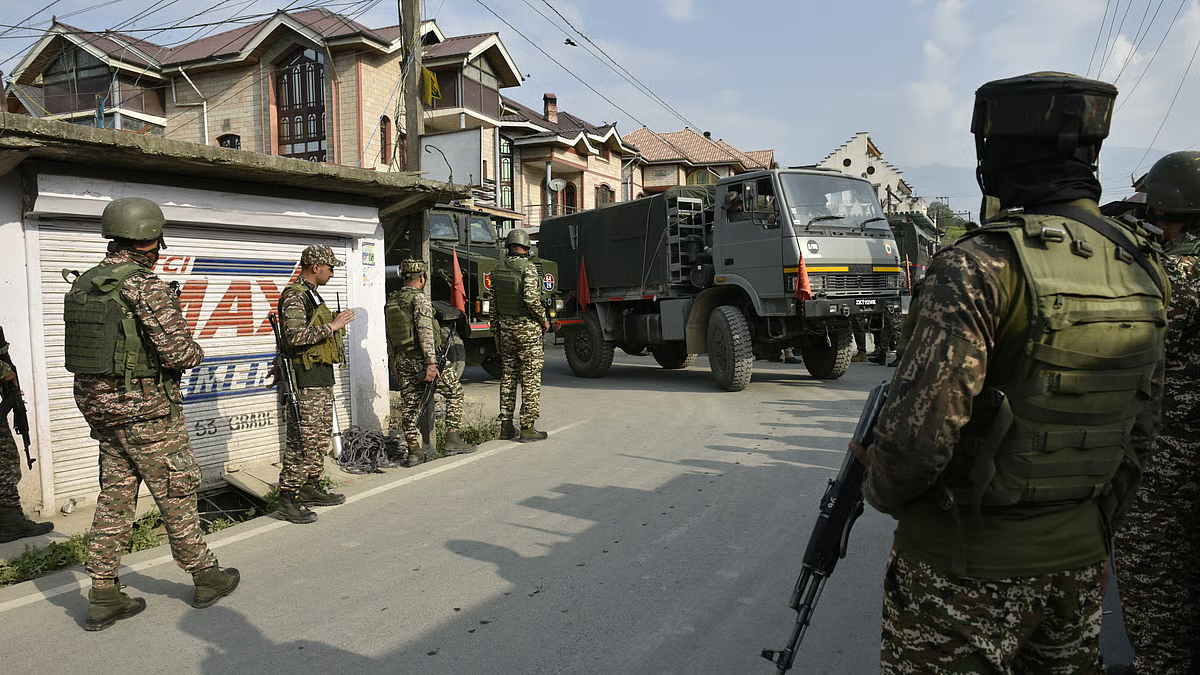
One year after the controversial Pahalgam incident, debate has resurfaced over how security agencies in Pahalgam responded to the attack and whether adequate accountability followed. The incident, which occurred in Jammu and Kashmir, continues to attract public and political attention as questions persist about intelligence failures and the overall effectiveness of security measures in the region.
Several media reports in India have highlighted concerns about how authorities handled the situation and why responsibility has not been clearly assigned even after a full year. Analysts say the lack of disciplinary action against officials linked to the security lapses has raised doubts about institutional accountability and transparency in dealing with such incidents.
Read more : Butcher of Gujarat orchestrated Pahalgam attack: Sindh CM
Meanwhile, national discussions intensified after prominent Indian publication The Tribune examined the government’s response and pointed out that no concrete steps have been taken against security personnel accused of failing to prevent the attack. Observers note that the absence of action has allowed unresolved questions about intelligence preparedness and operational coordination to remain unanswered.
Reports also recalled that during an all-parties meeting following the attack, government representatives acknowledged weaknesses in intelligence sharing and security protocols. However, critics argue that despite that admission, authorities have yet to implement visible reforms or disciplinary measures against those responsible for the operational shortcomings.
Read more : Senate resolution rejects India’s bid to link Pakistan to Pahalgam …
Security experts say the Pahalgam case reflects broader challenges faced by India in preventing high-profile attacks. They point to earlier incidents such as the Pulwama attack and the Uri attack, noting that these events similarly triggered debate over preparedness, intelligence coordination and crisis management across security agencies.
Analysts further observe that these recurring incidents often spark political and diplomatic narratives that quickly dominate public debate. However, they emphasize that long-term security improvement requires stronger accountability mechanisms, better intelligence coordination and transparent investigations to rebuild public trust in national security institutions.