 From Pulwama to Pahalgam, every “terrorist attack” under Modi regime stinks of orchestration. These false flag operations are not just anti-Pakistan theatrics but well thought out cover-up for a hijacked democracy and silenced dissent. One year after the deadly Pahalgam attack, key questions remain unanswered. The April 2025 incident claimed 26 lives in the disputed region, marking one of the worst attacks in decades. India was quick to react – an FIR was filed within minutes and Pakistan was blamed without a thorough investigation or clear forensic evidence. That swift response has defined the entire episode.
Despite repeated statements, New Delhi has not yet provided verifiable, credible evidence to the international community. Pakistan’s proposal for a neutral, transparent investigation was rejected, raising further doubts about India’s intentions. What followed suggests the attack was used as a strategic opportunity. Days later, India escalated on multiple fronts. It unilaterally suspended the Indus Waters Treaty, signaling a willingness to use water as leverage. Military strikes followed, bringing two nuclear-armed states to the brink of conflict. The attempt to set a new precedent – where unverified allegations could justify cross-border action – backfired. Pakistan responded quickly and proportionately. During the May 2025 exchanges, the downing of several Indian aircraft shifted the battlefield narrative and challenged the sense of unilateral dominance New Delhi sought to project. The crisis enhanced Pakistan’s diplomatic and strategic standing internationally, strengthening its position in the region. The information war was equally concerning. Parts of the Indian media promoted claims that lacked independent verification or diplomatic backing.

The limited conflict in May 2025 gave Pakistan a “middle power pivot” opportunity, while exposing India’s overreach and narrative-driven strategy. The Pahalgam terror attack is widely criticized as a security failure and suspected false flag operation by Indian authorities, with international media like the BBC exposing inconsistencies and lack of evidence from India. Pakistan had warned the world that India of using the Pahalgam incident to justify aggression and manipulate narratives, further straining bilateral relations.
False Claims of Superiority
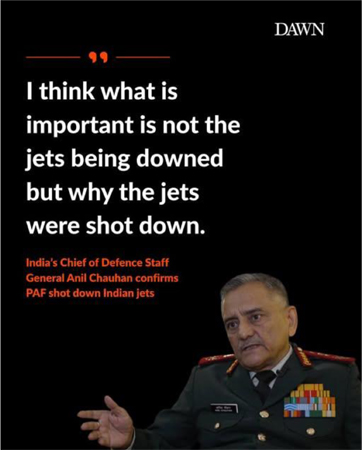
8 Recently Indian CDS Anil Chauhan amplified Op Sindoor as India’s decisive military superiority against Pakistan; stressed multi-domain strikes to maintain strategic dominance over Pakistan all lies and propaganda.
8 The USCC report debunks Indian CDS Anil Chauhan’s superiority narrative, confirming Pakistan’s resilient multi-domain defenses neutralized Indian strikes and restored strategic parity. No independent reports endorse India’s “decisive dominance”; instead, they credit Pakistan’s edge via Chinese technological cooperation amid escalation in post-Pahalgam Scenario. Indian sources remain self serving, ignoring battlefield realities.
8 From Pathankot (2016) to Uri (2016), Pulwama (2019), and now Pahalgam (2024)-every “attack” comes with no proof, high drama, and persistent blaming on Pakistan.
Big Exposures & Crack Down on Dissent
* Every false flag under Modi serves two purposes: demonize dissent and distract from decay. The world must see through this theatre of lies before it spreads further. Lack of transparency and accountability in India’s official disclosures regarding military losses and security incidents, exemplified by the recent acknowledgment of aircraft losses without details and the rhetoric over Pahalgam terror attack.
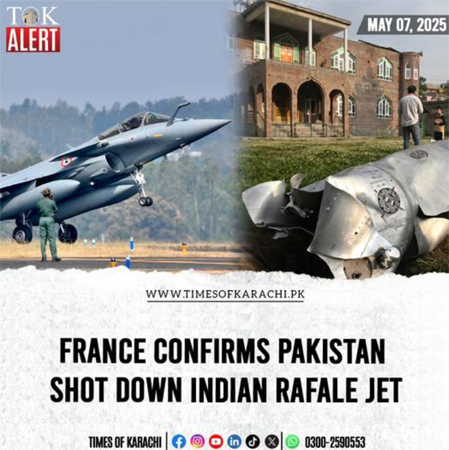
8 Indian Chief of Defence Staff Gen Anil Chauhan acknowledged losses of aircraft during clashes with Pakistan but withheld specific numbers in 2025, which was seen as an implicit admission of guilt and has sparked domestic outrage and political demands for transparency. The Indian Air Force also indirectly admitted losses, stating that losses are part of combat but not providing details, fueling skepticism about the official narrative.
8 Advani, Joshi, Shourie-RSS icons-were sidelined for opposing Modi’s authoritarianism. These false flags distract global eyes from BJP’s war on its own conscience.
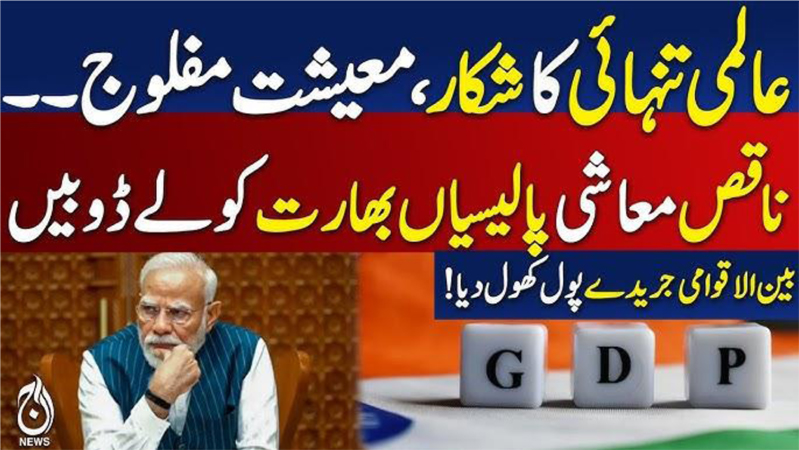
8 Yashwant and Subramanian Swamy warned of economic ruin; they were shown the door. Pulwama style operations kept cameras flashing while GDP and trust collapsed.
8 Shatrughan and Varun Gandhi were sidelined for honesty. Modi’s BJP fears truth more than terror so it manufactures one to silence the other.
8 Uma Bharti and Maneka Gandhi dared speak on women and ecology. BJP muted them, but unleashed media hysteria after every “attack” to keep the cult intact.
Impacts of Indian Concealment Policy
* Erosion of Trust and Increased Tensions: India’s lack of transparency fuels mistrust between India and Pakistan, exacerbating already tense relations in South Asia. This heightens the risk of escalation and undermines efforts for peace and conflict resolution in the region. Indian false flag OP Sindoor brought humiliation for Indian forces Pakistan was fully and firmly ready for any aggression of India.
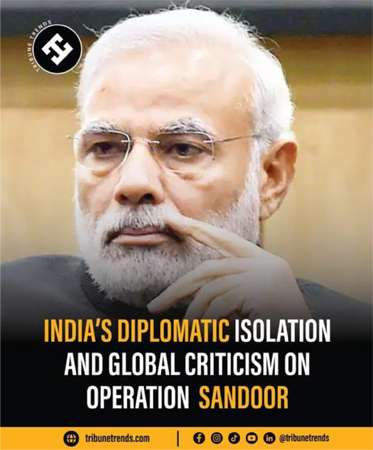
* Undermining Regional Security: Concealment and narrative manipulation contribute to instability by obscuring the true security situation, complicating diplomatic efforts, and encouraging aggressive posturing against a nuclear armed rival. This destabilizes South Asia’s fragile security environment.
* Domestic Political Fallout Affecting Foreign Policy: Internal outrage and political pressure within India over these incidents may harden its stance, reducing flexibility in diplomacy and increasing regional polarization.
* International Reputation and Diplomatic Strain: India’s perceived lack of openness damages its credibility globally, inviting criticism from allies and adversaries alike. The controversy with France over transparency further complicates India’s diplomatic relations and may reduce international support.
* Impeding Conflict Resolution and Peace Building:
Concealment of facts and failure to address core issues hinder peacebuilding efforts of not only Pakistan but USA Trump Administration by preventing honest dialogue and reconciliation, which are essential for long-term regional stability.
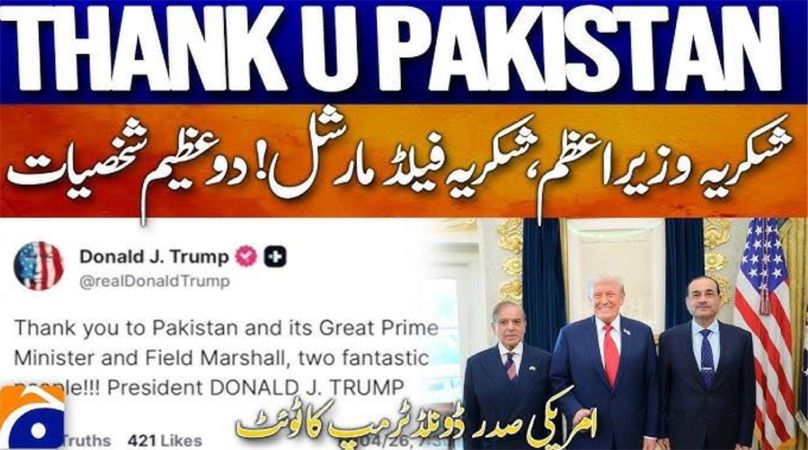
* Pakistan Encouraging External Involvement: Pakistan know the opacity and ensuing mistrust may invite greater involvement from external powers, complicating the regional balance and potentially escalating proxy conflicts, as seen in other global contexts. Trump personally and US administration specifically thankful to Pakistan leadership acknowledging US Mediation Role whole heartedly that’s why given Pakistan important role in US Iran conflict while sidelined Indian ungrateful leadership.
Conclusion
A pattern has become clear over the years: allegations against Pakistan are made rapidly, often without public proof, followed by attempts at escalation. Each time, Pakistan has responded with a measured counter, showing that coercive moves in South Asia do not go unchallenged. The lesson is clear – trying to set precedents through unverified claims is futile.