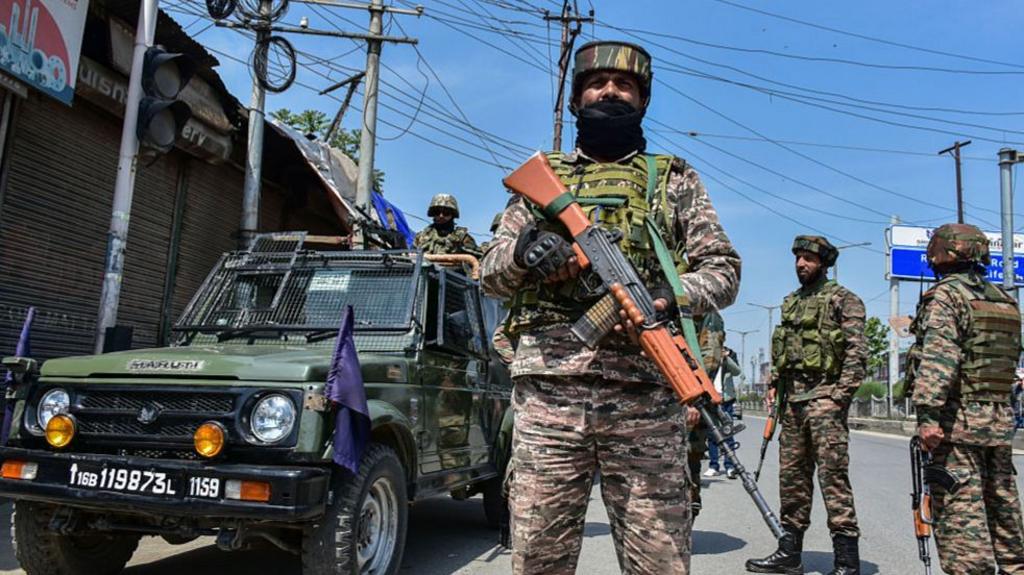
Following the Pahalgam incident, several Sikh leaders and activists publicly expressed solidarity with Pakistan, drawing international attention to the evolving political and diplomatic narrative surrounding the event. Their statements circulated widely across global platforms, contributing to a broader discussion about regional tensions and the differing perspectives emerging from political groups and diaspora communities.
Read more : Pahalgam attack anniversary renews debate over India security lapses
Meanwhile, the incident also intensified criticism directed at the Indian government, with observers noting that Prime Minister Narendra Modi faced growing scrutiny both domestically and internationally. Analysts highlighted that the debate expanded beyond the immediate security concerns, raising questions about policy responses, regional stability, and the management of sensitive incidents involving Kashmir.
At the same time, Gurpatwant Singh Pannun, a prominent figure associated with the Khalistan movement, voiced strong support for Pakistan after the Pahalgam episode. He stated that Pakistan represents purity and claimed that millions of Sikhs stand with the country, remarks that quickly attracted international media attention and sparked debate across political and diplomatic circles.
Read more : Pakistan warns of ‘decisive response’ after Indian army remarks on …
Furthermore, reports circulating in international discussions raised concerns regarding alleged involvement of Indian intelligence networks in incidents targeting Sikh leaders abroad. In the United States, authorities and analysts previously examined claims related to an alleged plot involving Pannun, which further intensified scrutiny over transnational political tensions and diaspora activism.
Consequently, analysts observed that developments following the Pahalgam incident have opened new diplomatic conversations at the global level. They noted that Pakistan’s stance received increasing attention in international forums, while the broader situation continued to fuel discussions about regional security, minority politics, and geopolitical narratives.