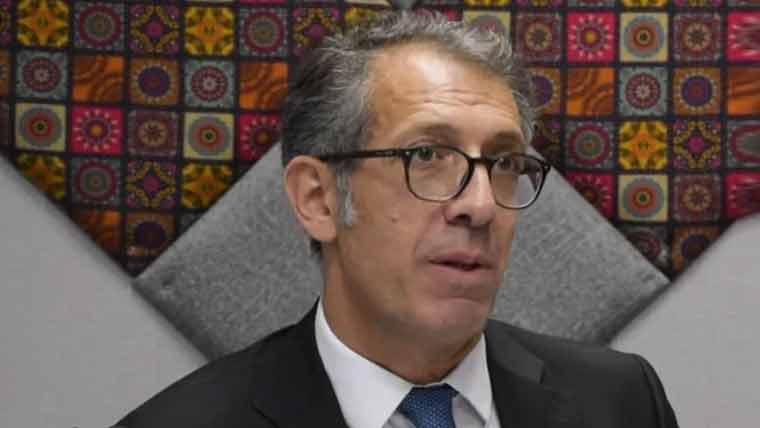
The International Monetary Fund has urged Pakistan to adopt strict fiscal discipline and continue structural reforms to ensure long-term economic stability. The warning comes amid rising global uncertainty and regional geopolitical tensions affecting energy and trade markets.
IMF representative International Monetary Fund official Dr Maarten Bijl stressed that cautious monetary and fiscal policies are essential for stabilising the economy. He said Pakistan’s ongoing reform programme is moving in the right direction but requires sustained commitment.
Read more: IMF sets new reform targets for Pakistan
Moreover, he highlighted that conflicts in the Middle East are creating global economic risks. Rising oil prices and disrupted trade routes are already impacting inflation and financial conditions. He warned that such shocks could slow global and regional growth in 2026.
Additionally, the IMF official noted that Pakistan faces multiple external pressures including energy costs and possible declines in remittances. He said targeted support measures should replace broad subsidies to protect vulnerable groups more effectively.
Read more: IMF board to meet on May 8 to approve disbursement of over $1.2bn
Furthermore, he emphasised the need for investment in infrastructure, trade expansion, and private-sector-led growth. Strengthening financial reserves and improving resilience to external shocks were also described as key priorities for Pakistan’s economic stability.