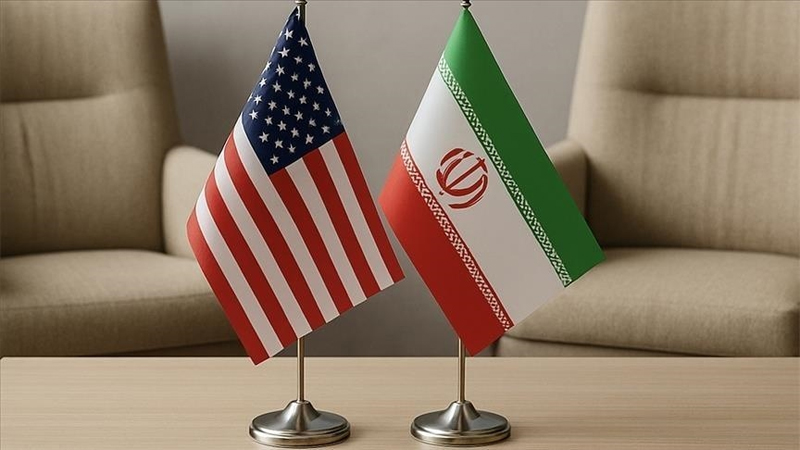
The United States and Iran are reportedly closer than ever to reaching a preliminary understanding on ending hostilities and establishing a new framework for nuclearnegotiations, according to US media reports citing White House-linked sources.
Read More: Iran shows flexibility in nuclear talks with US, report says
Officials familiar with the talks claim that a one-page memorandum of understanding (MoU) has been prepared, outlining key principles for a potential agreement aimed at de-escalating tensions and restarting structured diplomacy between the two countries.
According to reports, Washington is now awaiting Iran’s formal response within the next 48 hours on several critical points. Although no final document has been signed, negotiators describe the current phase as the most advanced since the conflict began.
Iran and the US are nearing a potential deal centered on a brief memorandum of understanding aimed at ending the war and outlining a path for more detailed nuclear talks, Axios reported, citing two US officials and two additional sources familiar with the matter.
US officials… pic.twitter.com/oq7iniWbts
— Al Mayadeen English (@MayadeenEnglish) May 6, 2026
The proposed 14-point framework reportedly includes an immediate announcement of a ceasefire and a phased diplomatic roadmap. Under the plan, detailed negotiations would take place within 30 days in either Islamabad or Geneva, focusing on sanctions relief and Iran’s nuclear programme.
One of the central elements under discussion is Iran’s commitment to halt uranium enrichment for a period ranging from 12 to 15 years, while the United States is reportedly pushing for a longer 20-year restriction.
Another major reported development is Iran’s willingness to transfer its highly enriched uranium stockpile outside the country, potentially to the United States, marking a significant shift in its long-standing nuclear policy.
In exchange, Washington is expected to release frozen Iranian assets worth billions of dollars and gradually ease economic sanctions.
Despite reported progress, officials caution that internal divisions within Iran’s leadership could complicate approval of any final deal. US Secretary of State Marco Rubio has described the situation as highly technical and complex, while stressing that diplomatic opportunities still exist.
The agreement also reportedly touches on maritime security in the Strait of Hormuz, with both sides considering phased reductions in restrictions on shipping and naval presence.
Read More: Iran standoff risks becoming political pressure for Trump
However, US officials have warned that military options remain available if negotiations collapse, including the possibility of restoring naval pressure and targeted operations. Analysts say the coming days could prove decisive for the future of regional stability and global energy security.