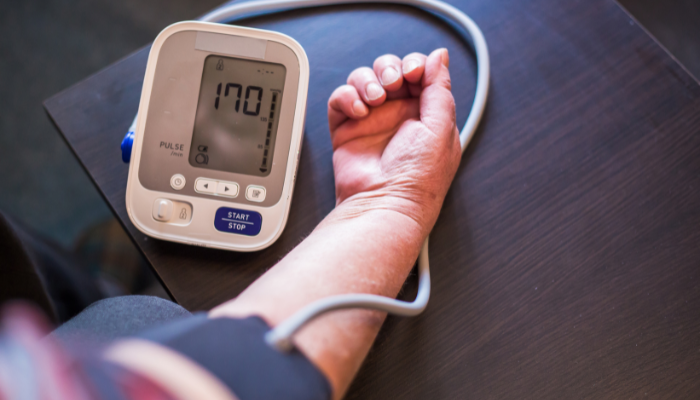
An alarming health warning has been issued in Pakistan as experts revealed that high blood pressure (hypertension) is responsible for the deaths of around 400,000 people in the country each year.
This figure was shared by Prof Dr Jehan Ara Hassan, Pro Vice Chancellor of Dow University of Health Sciences (DUHS), while addressing a seminar and panel discussion organised by the Dow Institute of Cardiology on the occasion of World Hypertension Day in Karachi.
Read More: Hypertension patients increasing in Pakistan
Speaking as the chief guest, she said that hypertension is a growing global health crisis, with nearly 1.4 billion people affected worldwide. She added that approximately 10 million deaths occur globally each year due to complications linked to high blood pressure.
Prof Hassan highlighted that hypertension is a silent but dangerous condition that contributes to severe medical complications including stroke, heart disease, kidney failure and vision impairment.
She also shared that DUHS has developed a plan to convert more than 100 laboratory collection units in Karachi into basic healthcare centres. These centres will provide screening, monitoring and treatment facilities for high blood pressure, aiming to improve early diagnosis and management.
Health experts at the seminar noted that around 33 million people in Pakistan are currently living with hypertension. However, only 12% of patients have their condition under control, while nearly half remain unaware of their illness.
They warned that the situation is worsening due to poor lifestyle habits, lack of awareness, and limited access to regular health screening.
Medical professionals stressed the importance of routine blood pressure checks, healthier diets, reduced salt intake, and regular physical activity to prevent complications.
Read More: Dietary salt: a silent killer that needs immediate policy action
Experts further stated that uncontrolled hypertension has significantly increased cases of heart attacks and strokes in recent years, making it one of the country’s most pressing public health challenges.
They called for stronger national awareness campaigns and improved primary healthcare systems to reduce the growing burden of the disease.