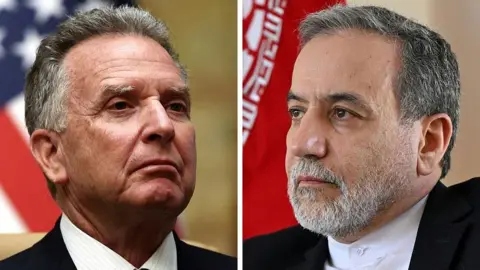
The United States (US) and Iran remain divided over major issues in ongoing negotiations, but officials from both sides have reported signs of progress as diplomatic efforts continue amid regional tensions.
Read More: Iran, US negotiations reach decisive final stage
Speaking at the White House, Donald Trump said Washington would eventually secure Iran’s stockpile of highly enriched uranium, which the US believes could be used for nuclear weapons. Tehran has repeatedly insisted that its nuclear programme is intended solely for peaceful purposes.
US Secretary of State Marco Rubio acknowledged that some positive developments had emerged in recent discussions, though he cautioned against excessive optimism. Rubio also warned that Iran’s reported plans to impose fees on ships passing through the Strait of Hormuz could jeopardise diplomatic efforts and disrupt global trade routes.
Iranian officials confirmed that no final agreement has been reached, but said gaps between the two sides had narrowed. Uranium enrichment, sanctions relief and control over the strategic waterway remain the main sticking points.
The dispute has rattled global energy markets, with oil prices fluctuating sharply due to fears of supply disruptions. The International Energy Agency warned that the ongoing conflict could trigger a major energy shock during the peak summer demand period.
Meanwhile, Pakistan has intensified mediation efforts. Sources told Reuters that Asim Munir may visit Tehran for further discussions aimed at accelerating negotiations. Pakistani Interior Minister Syed Mohsin Naqvi also held meetings in Tehran this week with senior Iranian leaders.
Read More: Iran responds to US peace proposal
Despite diplomatic engagement, tensions remain high as both Washington and Tehran continue to defend their core strategic interests.